Call Us: +91-981-177-0428 | India's Trusted & Leading Manufacturer of Sand Washers & High Rate Thickeners
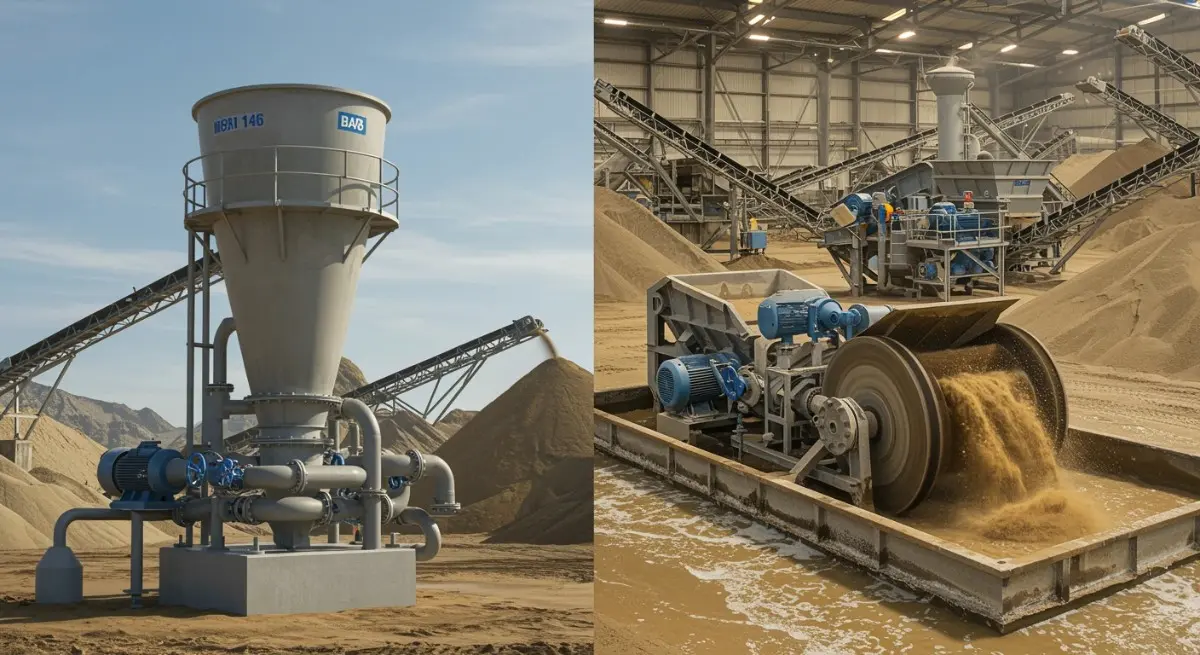
Imagine you invested in a huge capacity sand plant with a lakh of money, and now your final product is dirty, full of silt, or has too much water in it, so your product cannot be sold for days. This is the nightmare of any plant manager. When it comes to the industrial processing of mineral sand, the struggle to be the cleanest invariably reduces to two giants: the old mechanical washer and the new hydrocyclone separator.
Although both are intended to provide high-quality construction sand, they both work on completely different principles. One is dependent upon the soft fall of a wheel or screw, and the other upon the savage. Making the wrong choice does not only imply a filthier product, but it also involves thousands of lost fines and unwarranted upkeep as well.
You should know what goes on in the machine in order to make a wise decision.
| Specification | Details |
|---|---|
| Product Name | Hand Shower / Handheld Shower Head |
| Material | ABS Plastic / Stainless Steel / Brass |
| Finish | Chrome / Matte Black / Brushed Nickel / Satin |
| Spray Functions | Single, 3-function, 5-function, or Multi-spray |
| Flow Rate | Around 1.75–1.8 GPM at 60 PSI |
| Connection Size | 1/2 inch standard connection |
| Hose Length | 1.2 m – 1.5 m (varies by model) |
| Hose Material | Stainless steel / PVC flexible hose |
| Mounting Type | Wall mounted with holder or slide bar |
| Installation | Easy screw installation |
| Water Pressure Compatibility | Suitable for low and high water pressure |
| Check Valve | Included for backflow prevention |
| Weight | Approx. 200–500 grams |
| Application | Residential bathrooms, hotels, spas |
| Warranty | Usually 1–5 years depending on brand |
While the hydrocyclone is the high-tech choice, the traditional Sand Washing Machine is the backbone of many Indian mining sites. There are two main types you’ll find when looking for a sand washer manufacturer:
If you are checking the sand washer price and wondering if you should stick to the basics, here is why people still love them:
Did You Know? The first "Sand Washers" were actually just wooden troughs used in ancient mining! Today’s sand washing machine can process over 200 tons of material per hour, making it a beast of industrial efficiency.
In sand washing, the "cut point" is the exact size where particles are separated. A traditional sand washing machine is often a blunt instrument—it washes the sand but accidentally throws away a huge chunk of your "fines" (the tiny, valuable sand particles).
When you work with a top-tier Hydrocyclone Manufacturer, they calibrate the vortex to ensure only the actual waste—the silt and clay—is discharged. By switching, most plants see an immediate 15–20% increase in sellable yield.
Beyond just "cleaning sand," the application of a hydrocyclone spans across multiple industrial sectors. Whether you are dealing with silica sand, crushed stone, or river sand, the ability to adjust the "apex" and "vortex finder" makes it a much more versatile tool than a fixed-speed mechanical washer.
Key Applications Include:
A hydrocyclone separator is not a funnel; it is a high-precision device. The centrifugal force is a thousand times more than the force of gravity due to the pressure. Whereas a typical washer expects the particles to settle gradually, the hydrocyclone does so in a few seconds. This rate is why they are needed in the high-capacity sites—they make a slow, muddy process a fast-firing production line.
The Physics Behind the Magic:
In today’s industrial climate, water is as expensive as electricity. Traditional sand washing requires massive amounts of "fresh" water to keep silt from redepositing. A hydrocyclone filter is a game-changer.
Because it separates silt so efficiently, the water coming out of the "overflow" is much cleaner and can be recycled back into the system immediately. This reduces your water footprint and removes the need for massive, messy settling ponds.
If you’ve ever had to replace a rusted bearing in a screw washer at 2 AM, you know that "simple" machines aren't always easy. Because a hydrocyclone filter has no internal moving parts, the mechanical failure rate is near zero. The only wear happens on the inner lining. Modern units use high-grade polyurethane or ceramic liners that can be swapped in a few hours, compared to the days of downtime required to pull apart a massive industrial gearbox on a sand washer nearby.
When comparing the sand washer price against a hydrocyclone, look at the "Total Cost of Ownership."
Not all cyclones are created equal. When sourcing equipment, look for a Sand Washer Manufacturer or cyclone specialist that offers:
Fun Fact: It is also a hydrocyclone, which is based on the same physical principles as a high-tech vacuum cleaner. It relies on a so-called cyclonic effect to isolate particles with varying densities without the use of a physical screen or filter!
Choose a Sand Washing Machine if: You have massive, sticky clay "clumps" that require aggressive mechanical scrubbing and have plenty of land for settling ponds.
Use a Hydrocyclone Separator when: You require an exact cut to achieve rigid construction criteria, you desire to eliminate 20 per cent of your profit to the waste pond, and you are in need of a small water-saving package.
The primary difference lies in the physics of separation. A sand washing machine is a machine that washes away dirt by means of gravity and mechanical stirring (such as a bucket or a screw). A hydrocyclone separator is a centrifugal force separator where the slurry is centrifuged to force the heavy sand out and the light silt to a central vortex to be removed.
In many modern plants, yes. But in the case that your raw material contains very heavy, sticky clay-lumps, then you may collide in a sand washer first to break the clay and then a hydrocyclone filter to recover the fine sand, which would pass through the washer.
The hydrocyclone filter price would be dependent on the lining material (Polyurethane vs. Ceramic) and capacity (Tons Per Hour). Durability of linings: Higher quality linings wear out more slowly than abrasive sand, and this saves on your long term cost of maintenance.
While it requires a pump to create the necessary pressure, it has no internal motors or gears. Most operators find that the increased yield of "sellable sand" far outweighs the electricity cost of the pump.
Look for manufacturers that offer after-sales services and replacements of wear parts. As these are the machines dealing with abrasive materials, it is important to have a sand washer present or a supplier who keeps liners and apex valves so that the downtime is minimized.
Choosing between a Sand Washing Machine and a hydrocyclone separator isn't just about the initial Sand Washer Price—it’s about the efficiency of your entire operation. The use of hydrocyclones is the gold standard of the modern world because of the high-precision sand required in the industry and "dry-ready" sand in 2026, whilst the industry has been served with traditional washers for decades.
When you add a hydrocyclone into your process, you are not merely cleaning sand; you are recovering misplaced profits of your settling ponds, conserving oceans of water, and saving headaches of gears and bearings. Whether it is a modification of an already existing site or a new site that you are constructing, the centrifugal force of a hydrocyclone is the most intelligent approach in making sure that every grain of sand in your land is of good quality and is sellable.
Improve M-Sand quality with advanced silt removal methods. Learn how washing plants remove clay, dus
Confused between conventional and high-rate thickeners? Discover key differences, performance insigh
Learn how to choose the right vibrating screen machine for your industrial needs. Explore types, wor
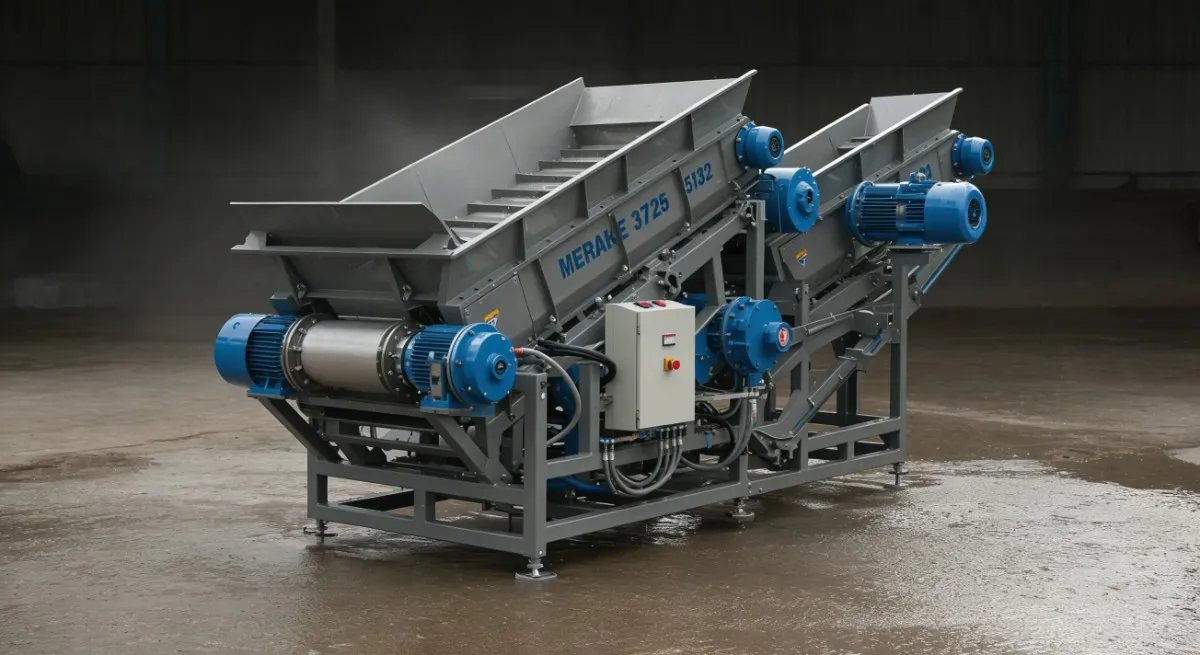
Discover if a mild steel sand washing machine is worth your investment. Learn cost, ROI, features, a
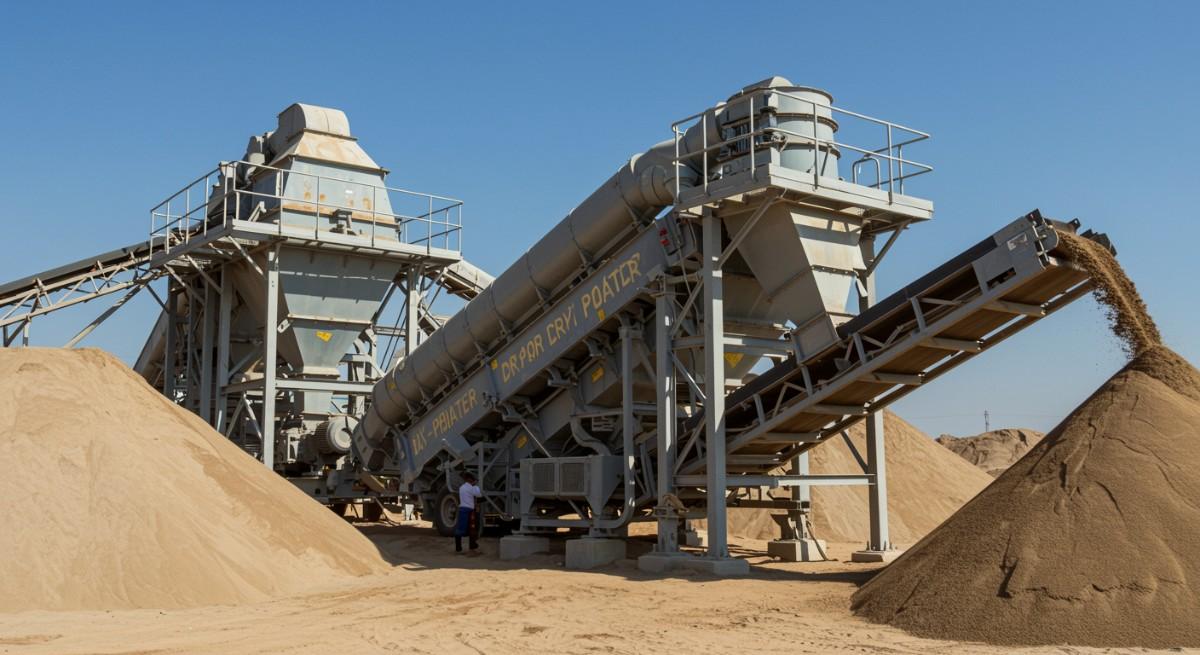
Discover how dry sand washers offer an eco-friendly, cost-effective solution for sand cleaning. Save
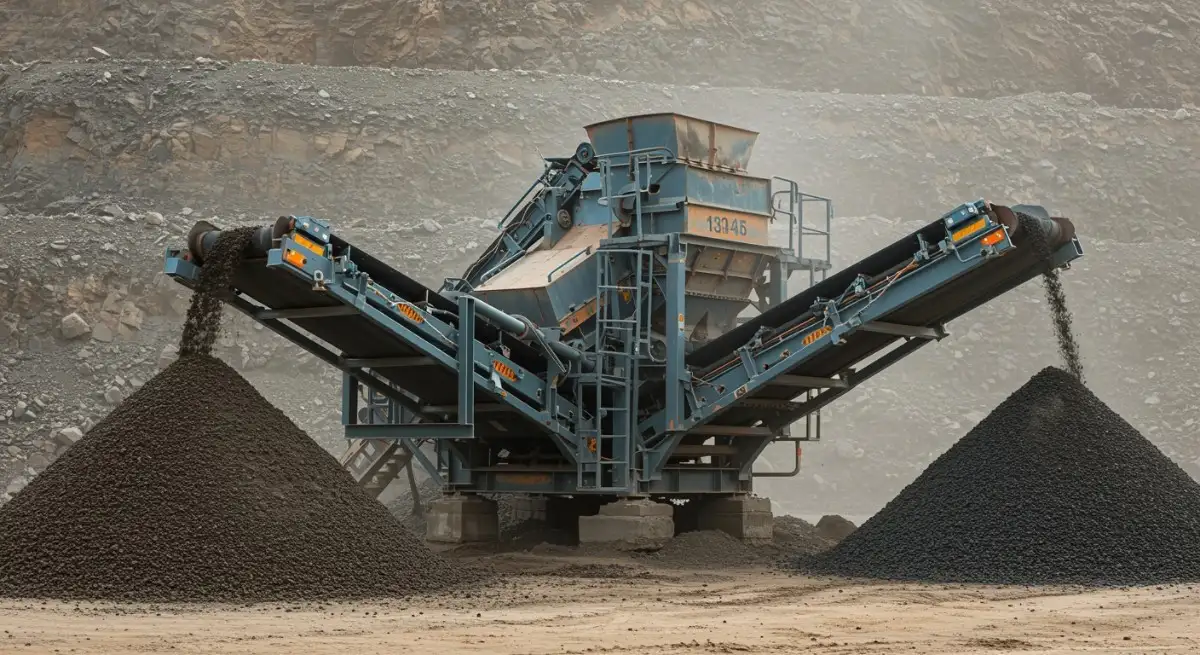
Discover the ultimate guide to vibrating screens, including types, applications, and key benefits fo
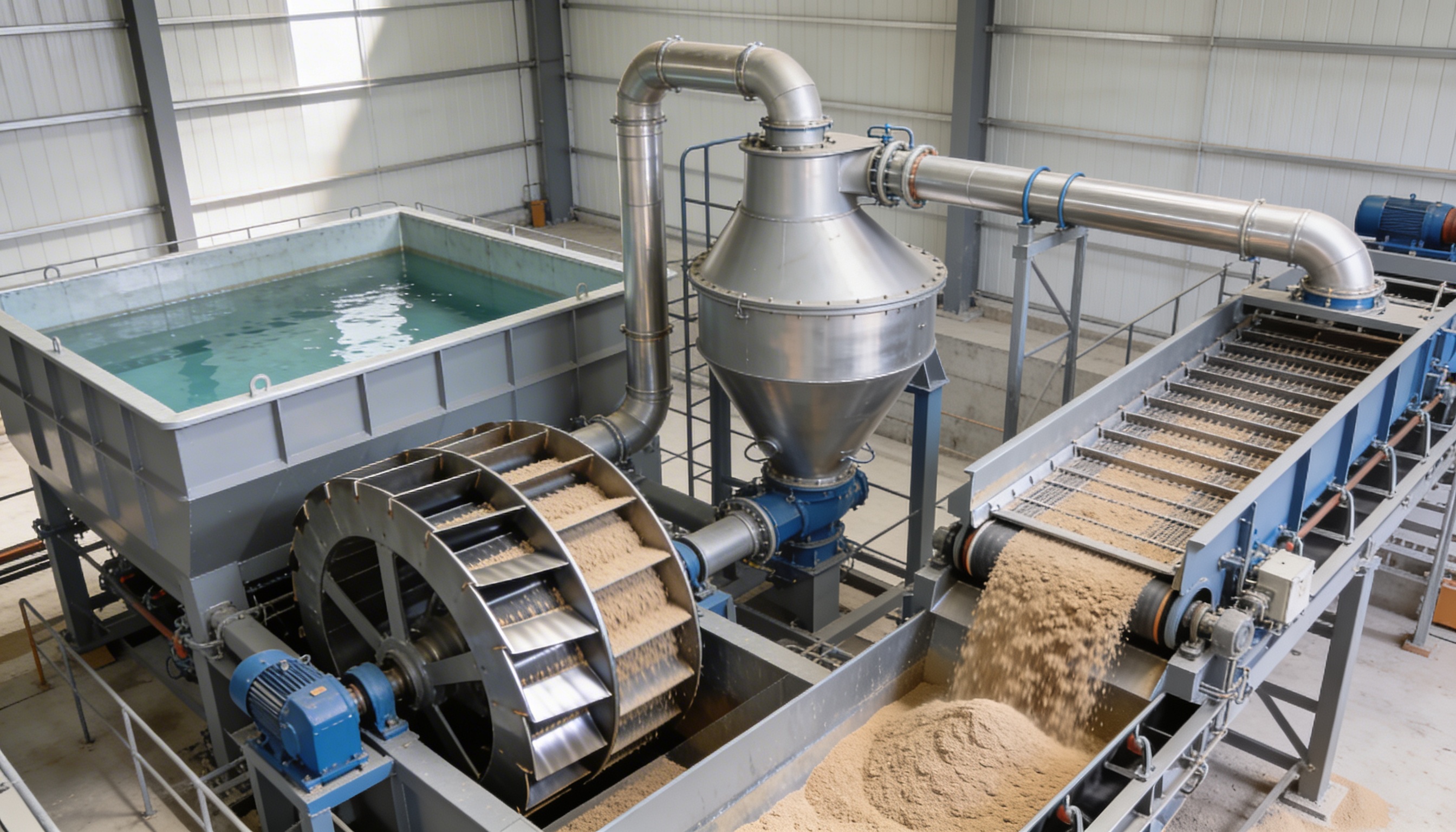
Searching for a sand washing plant near me? See 2026 price insights, advanced sand washing machine t
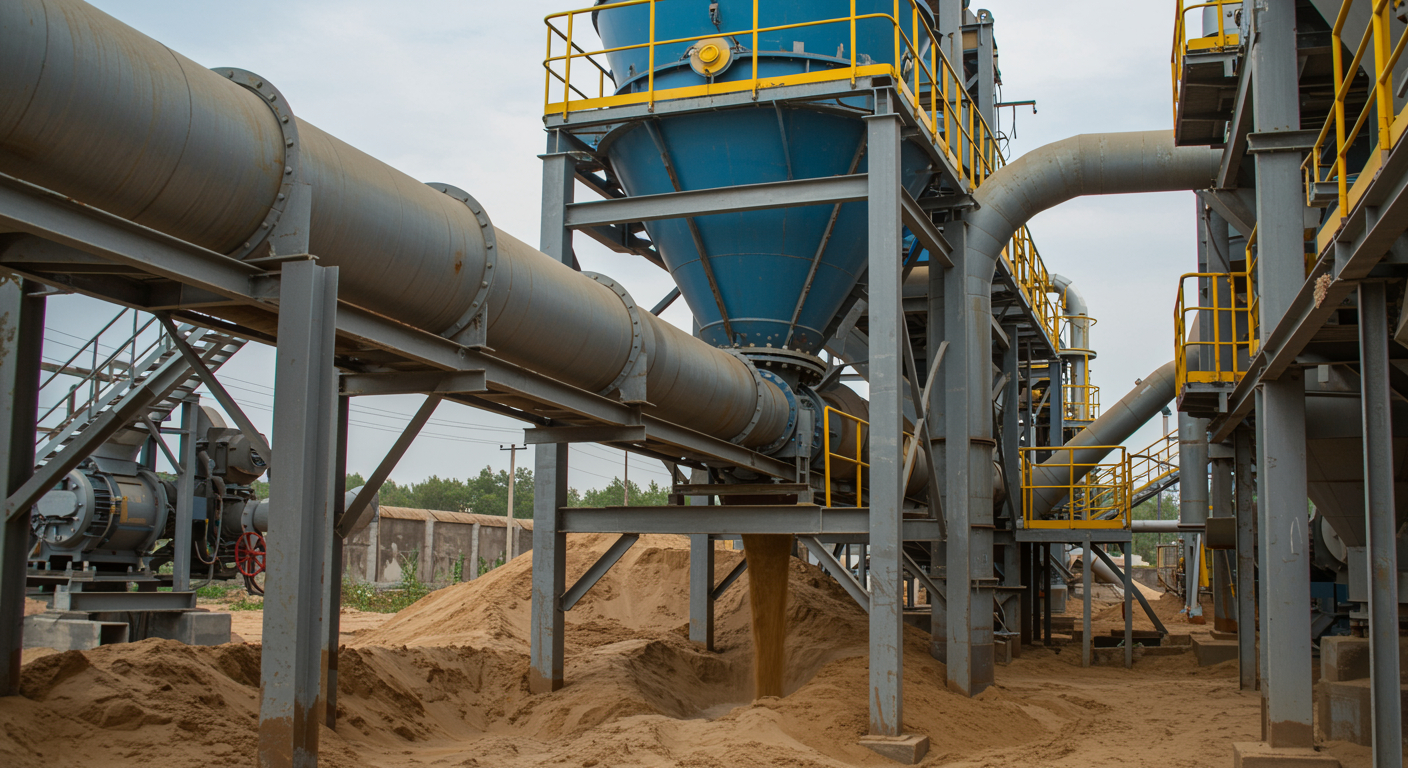
Recover up to 15% more sand with advanced hydrocyclone separator technology. Learn hydrocyclone work
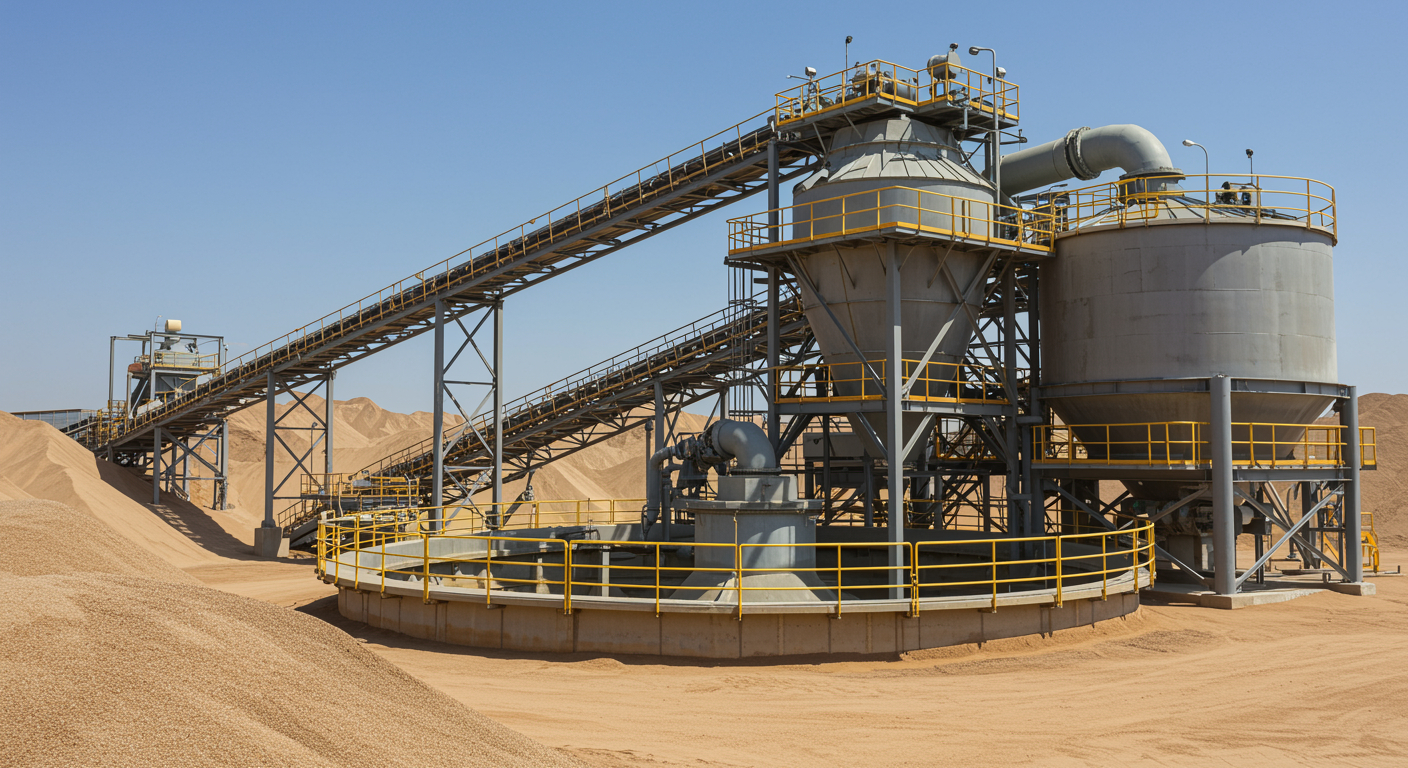
Save up to 90% water in sand washing plants with high-rate thickeners. Learn operation, benefits, RO
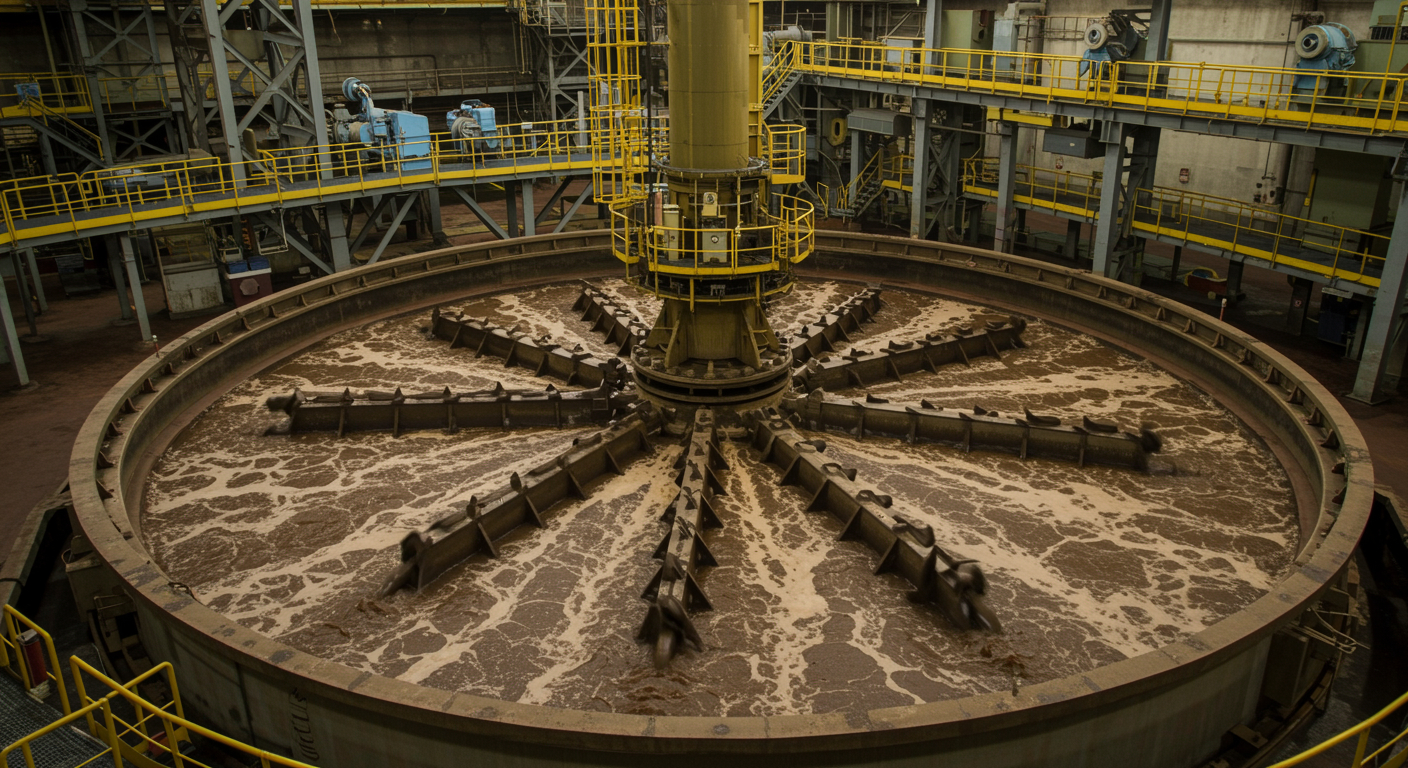
Looking for high-rate thickener manufacturers in India? Learn how high-rate thickeners improve effic
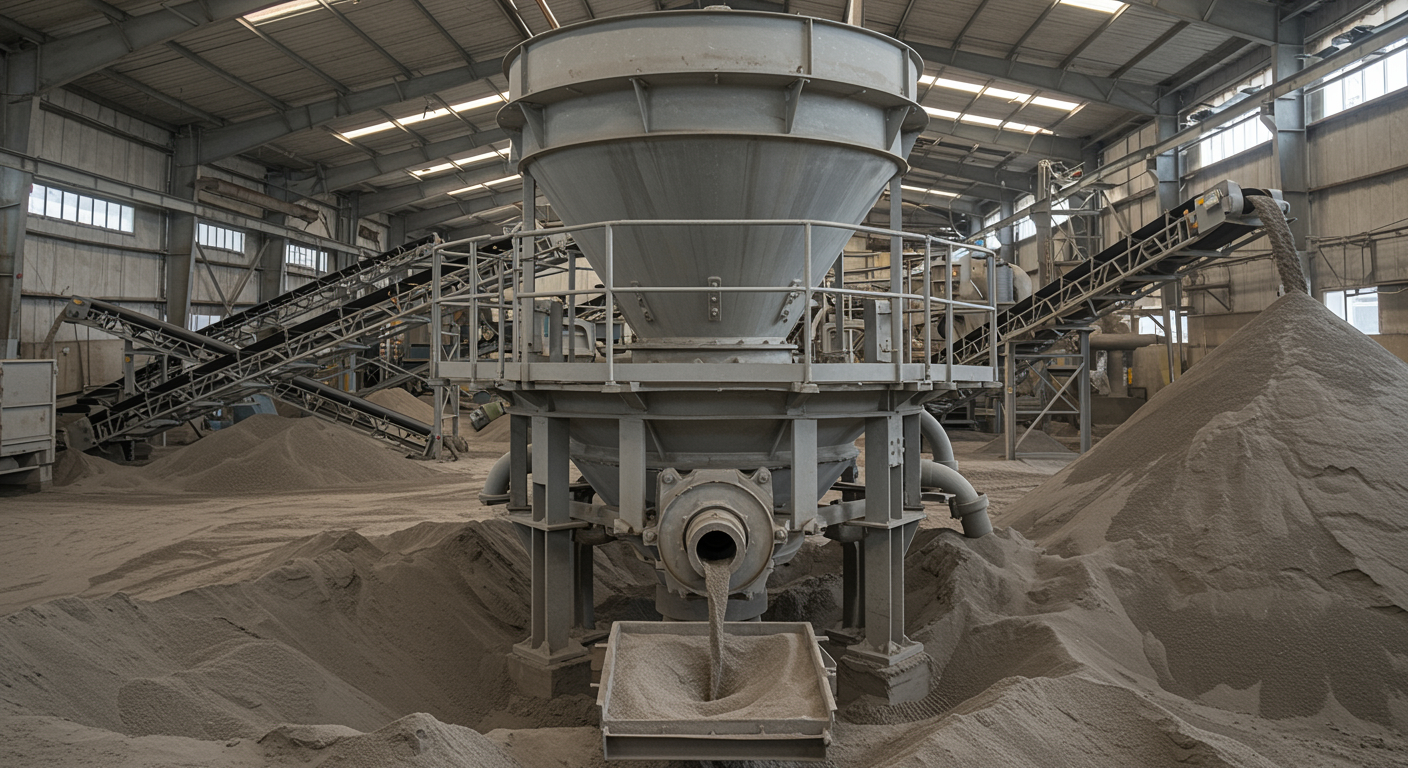
Looking for trusted hydrocyclone manufacturers in India? Ore Tech offers high-efficiency hydrocyclon
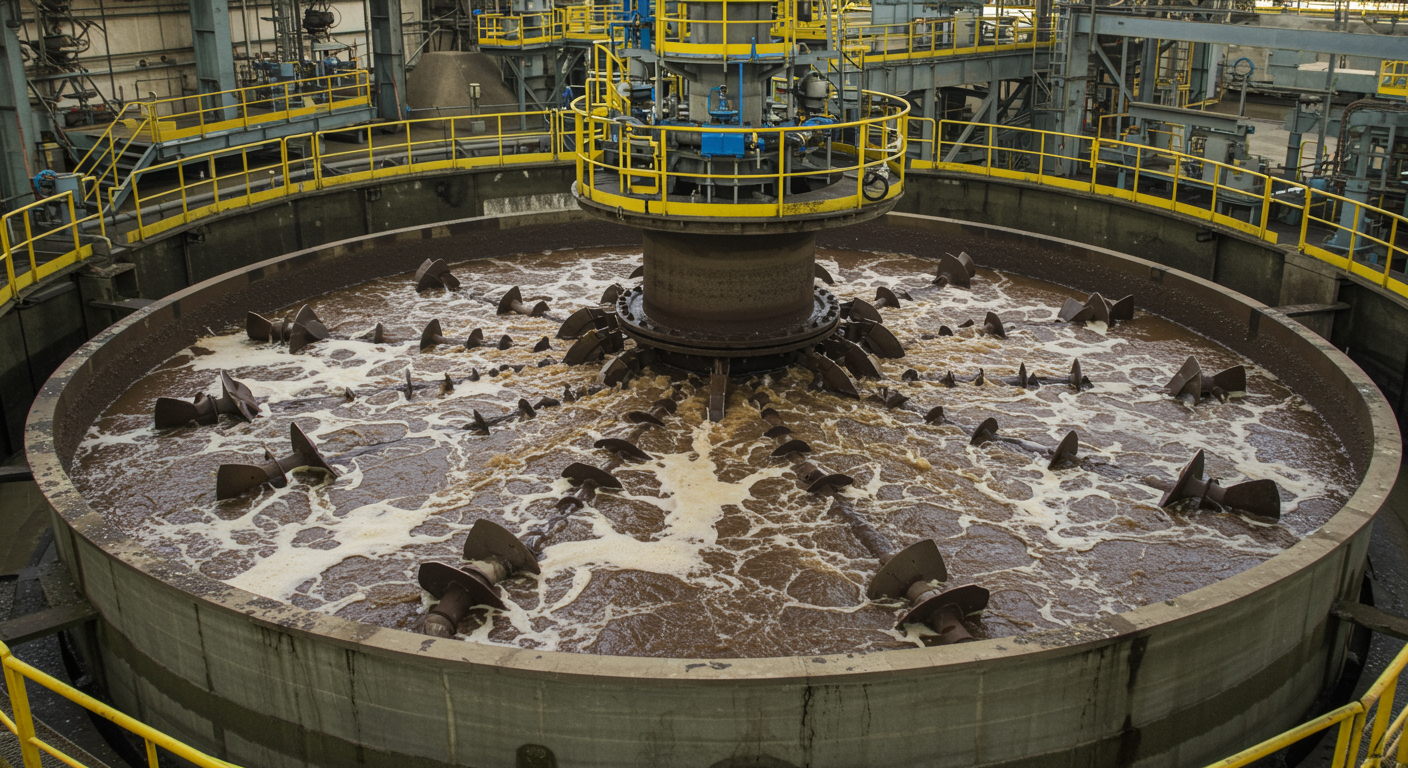
Learn everything about industrial thickeners – types, working process, applications, benefits, and
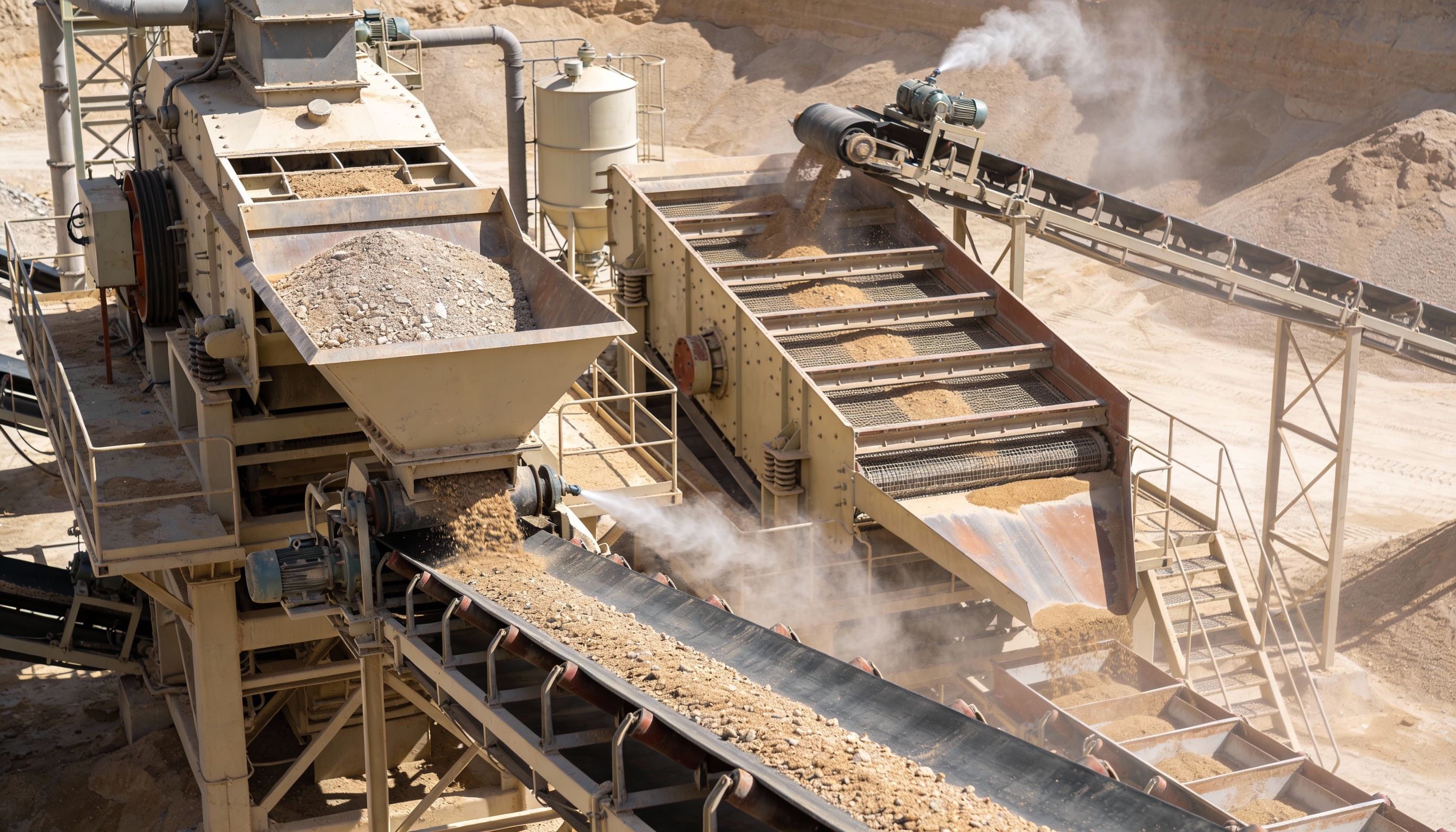
A complete guide to plaster sand plants covering working principle, benefits, uses, and cost factors
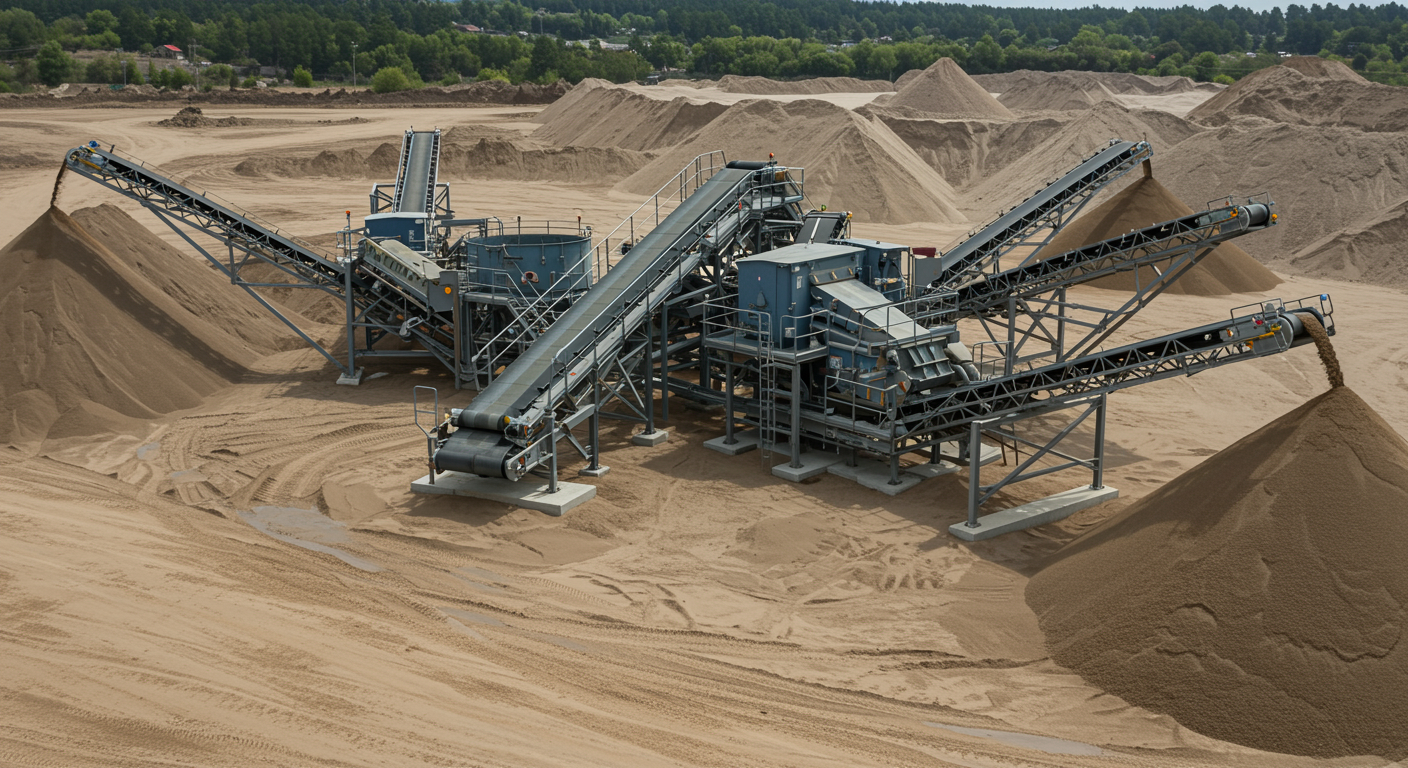
Learn how to select the right sand processing equipment based on industry needs—construction, glas
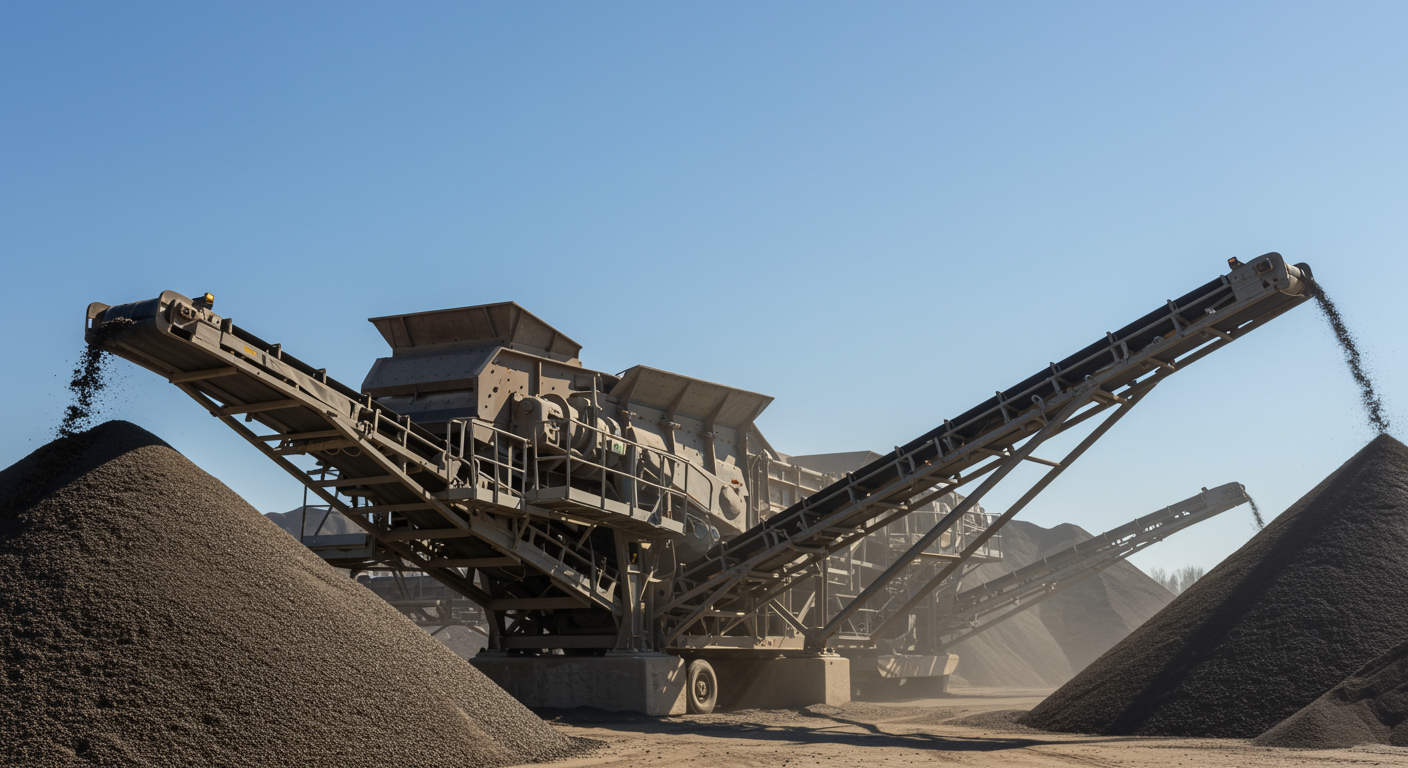
Explore how industrial vibrating screens help businesses enhance efficiency by choosing reliable vib
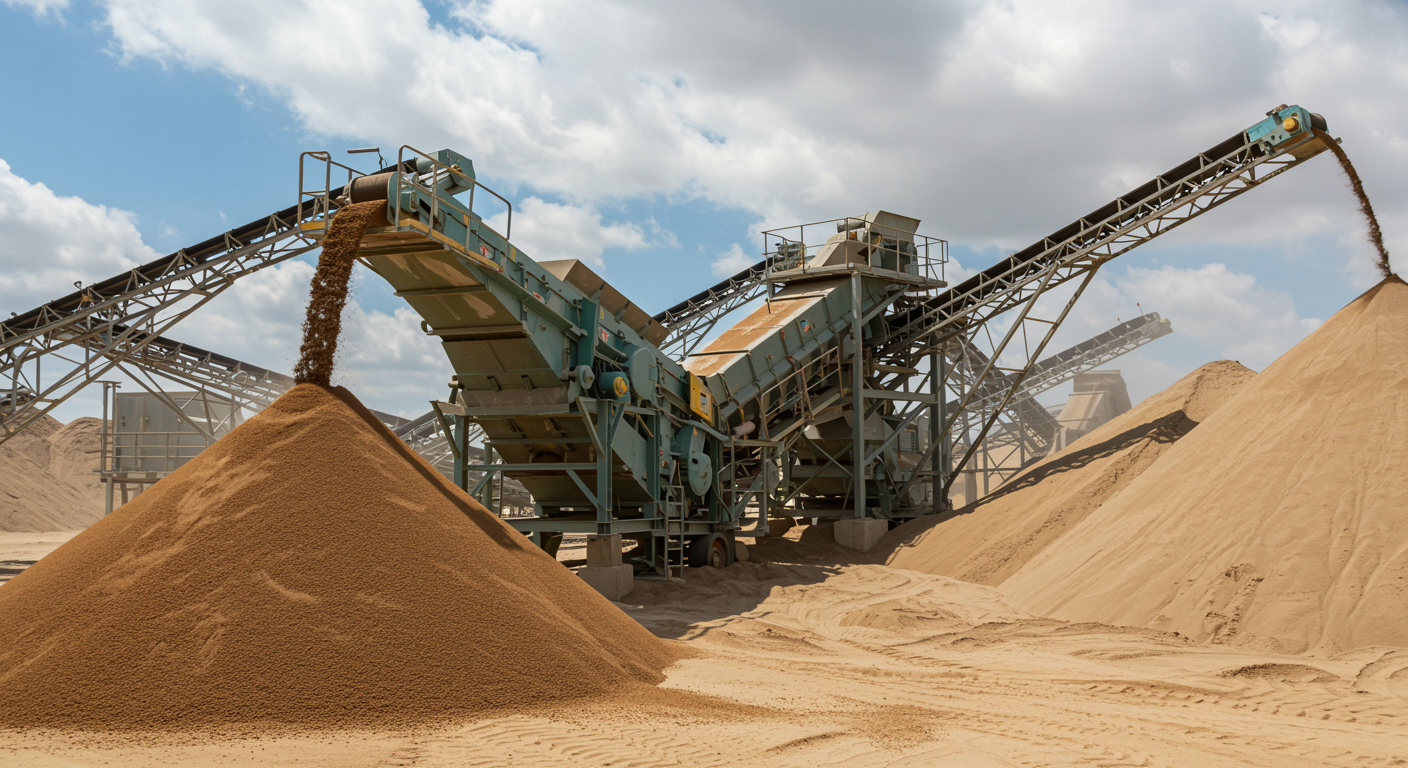
Discover how sand classifier machines, tanks, and plants improve sand washing efficiency, grading ac

Planning to buy a sand classifier machine? Learn types, buying factors, and expert tips from trusted
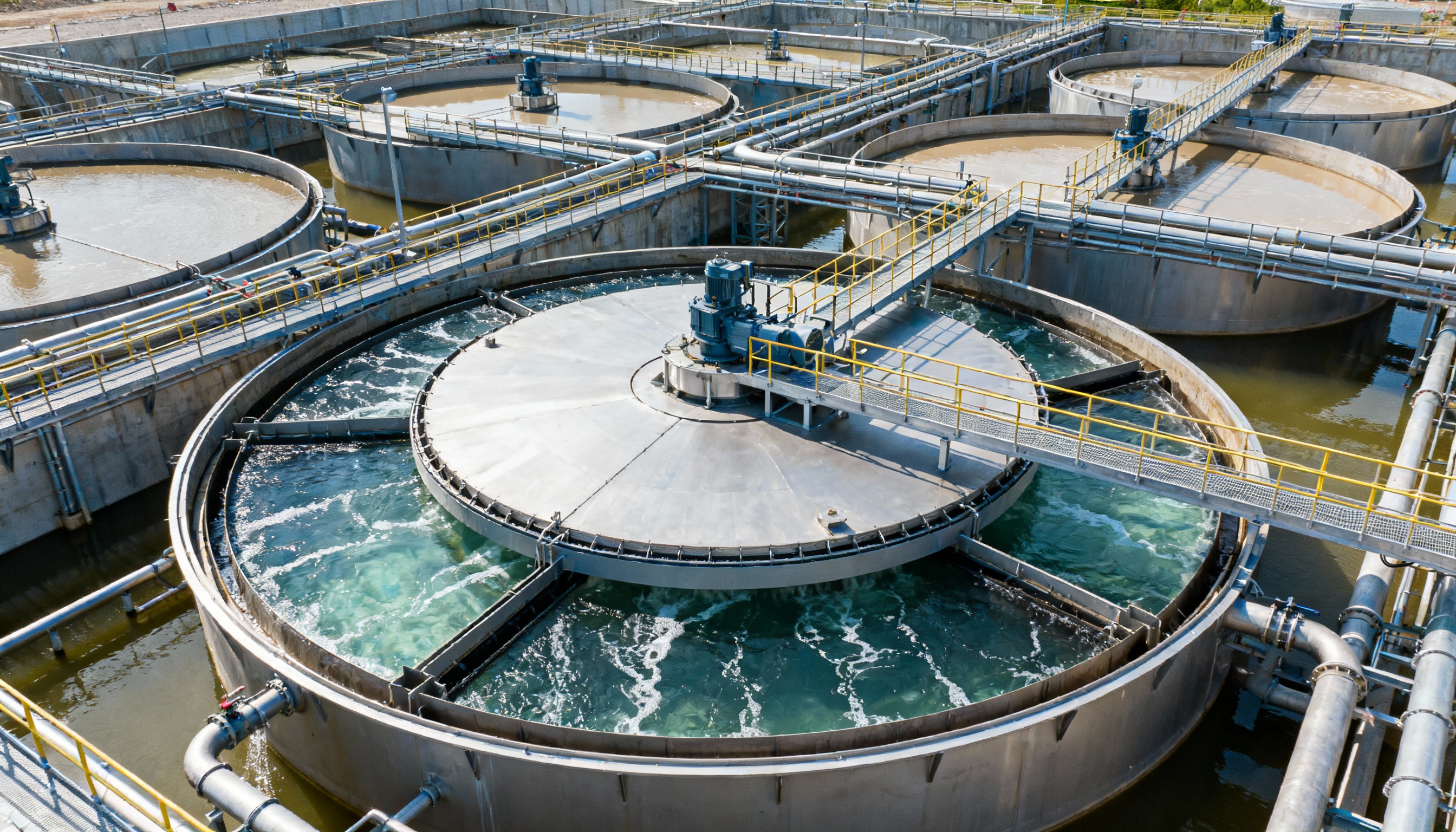
Understand the financial benefits of switching to a High-Rate Thickener — from increased efficienc
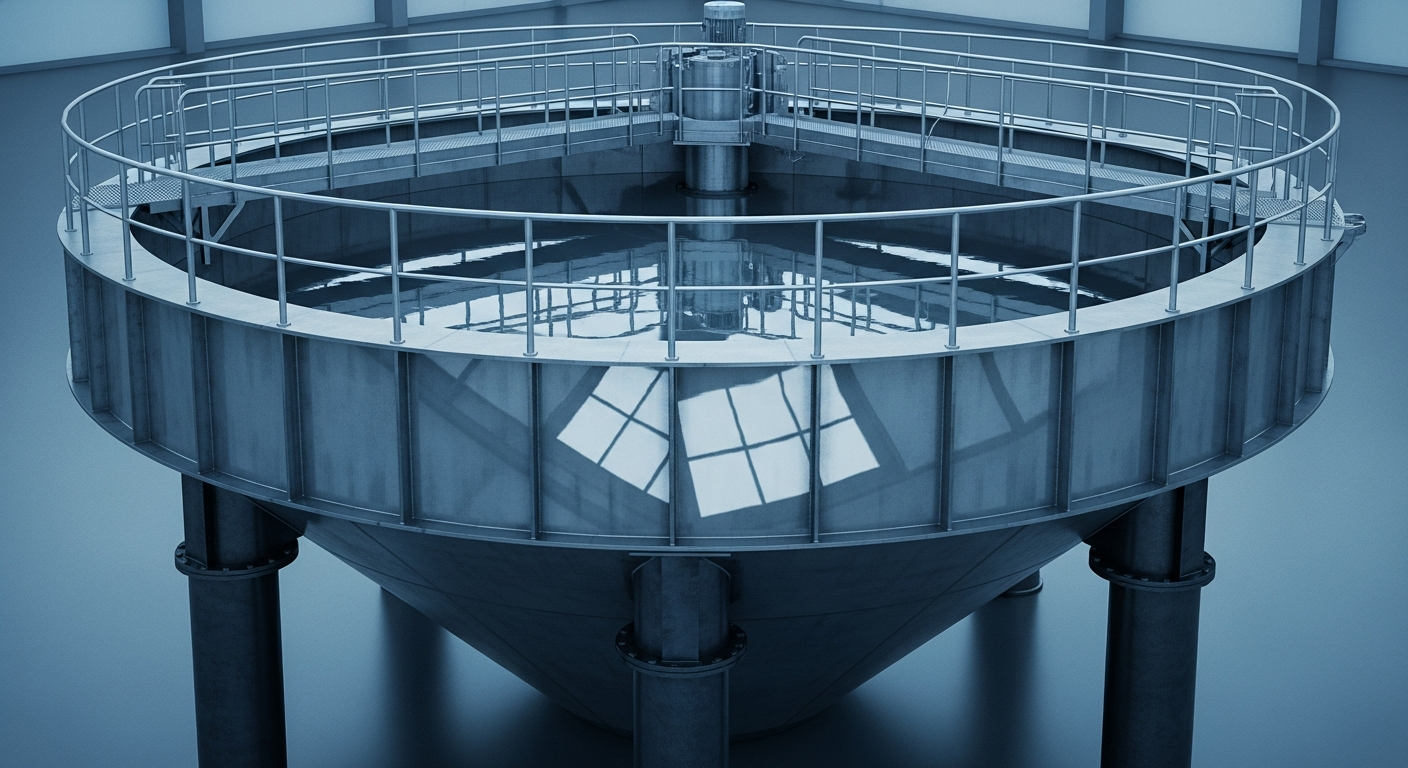
Searching for high-density thickener in Faridabad? ORE Tech is just the platform for you. Contact us
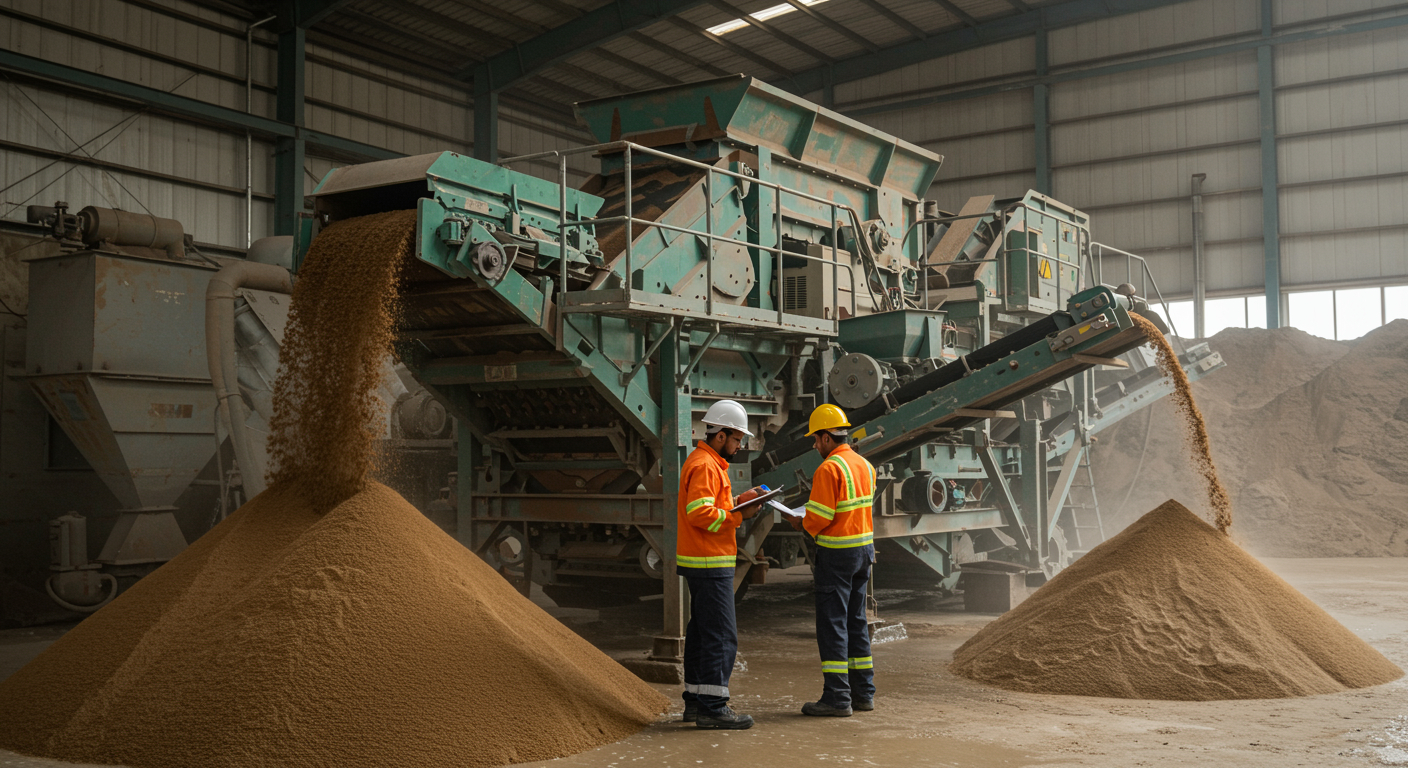
Looking for sand classifier manufacturers? Contact ORE Tech today. We are known for delivering only
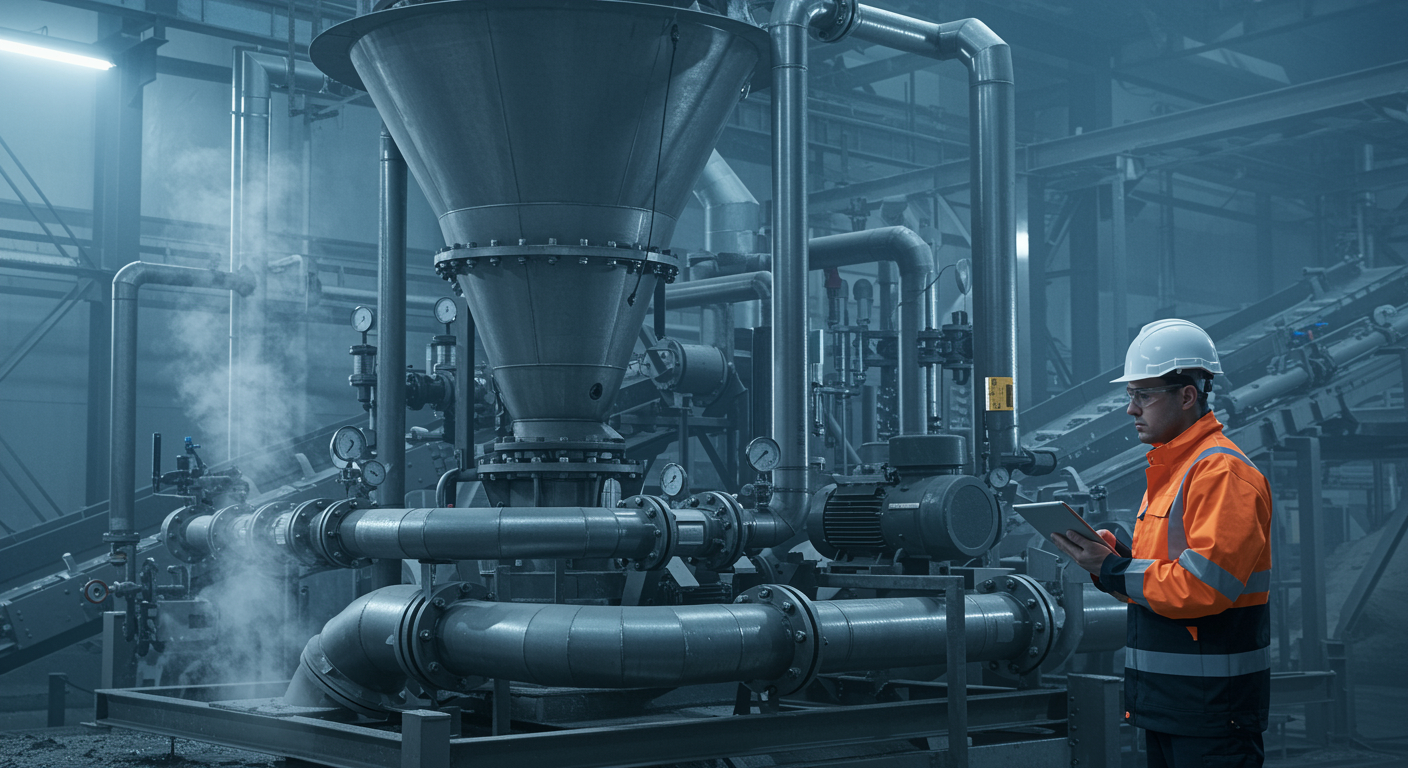
we will talk about 5 usual signs that highlight that your hydrocyclone separator is not performing a
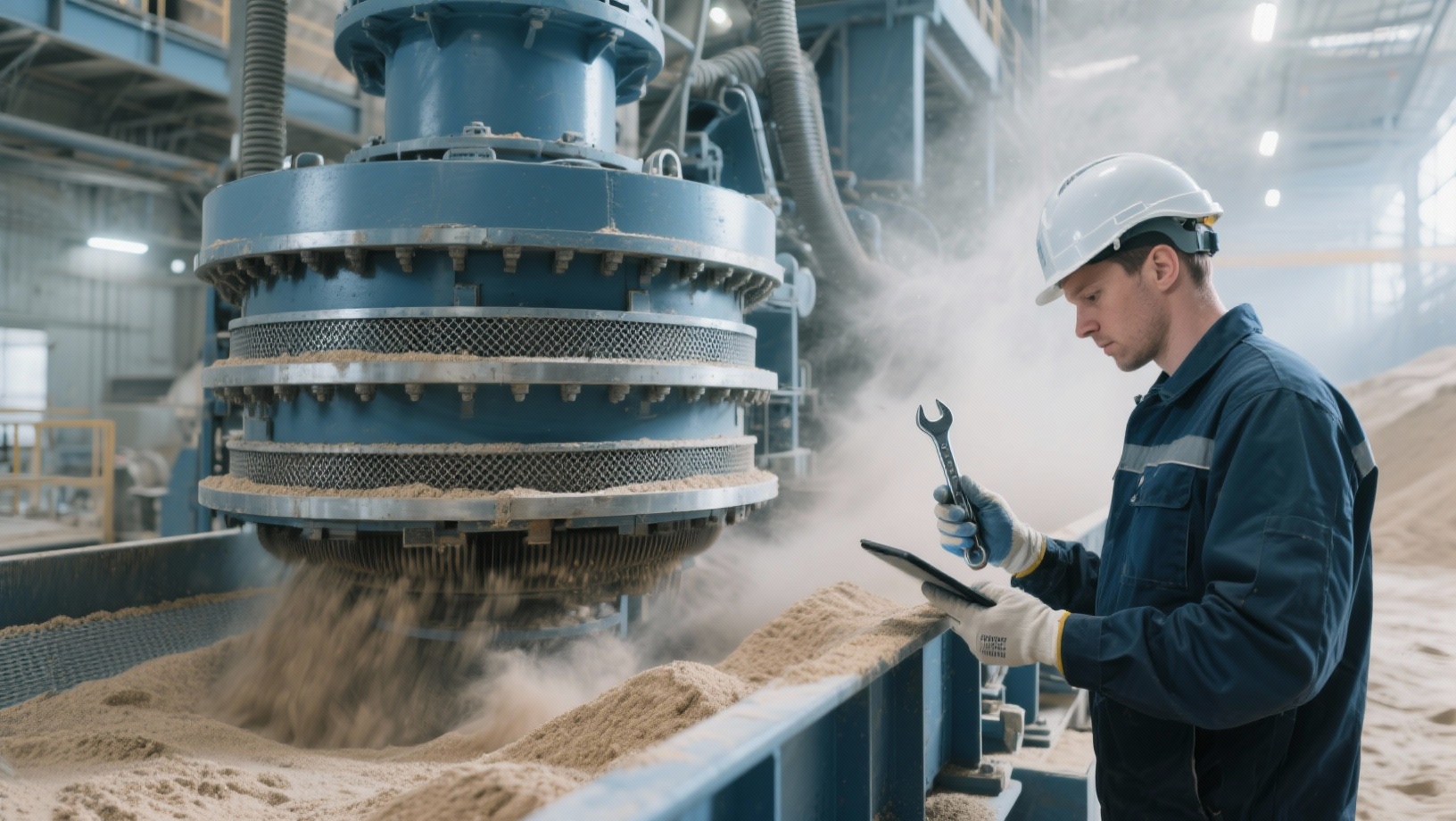
Vibratory separators are the key to productive classification of materials and product quality in va
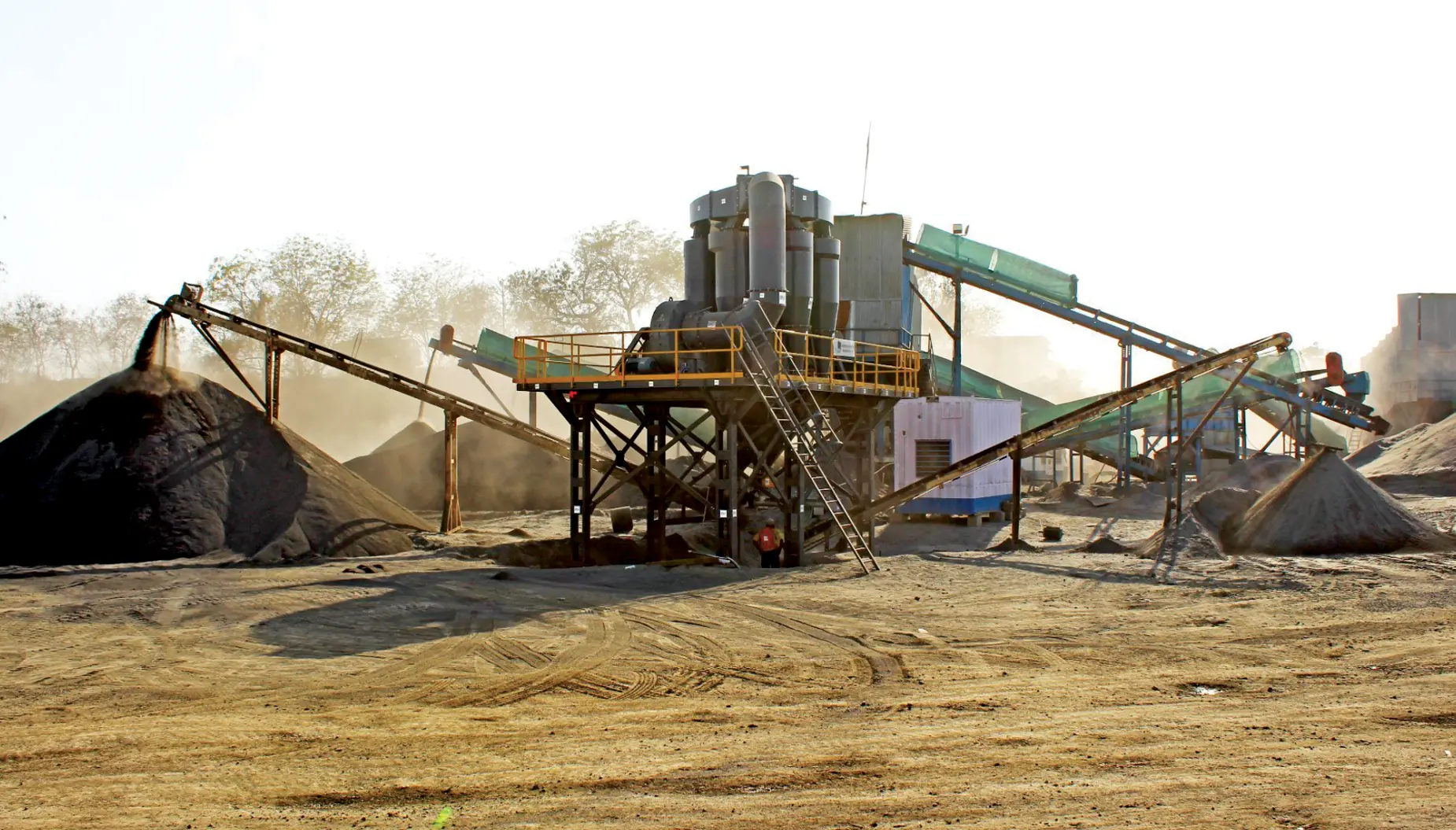
A wise choice for a good sand washing plant manufacturer in India requires striking a balance betwee
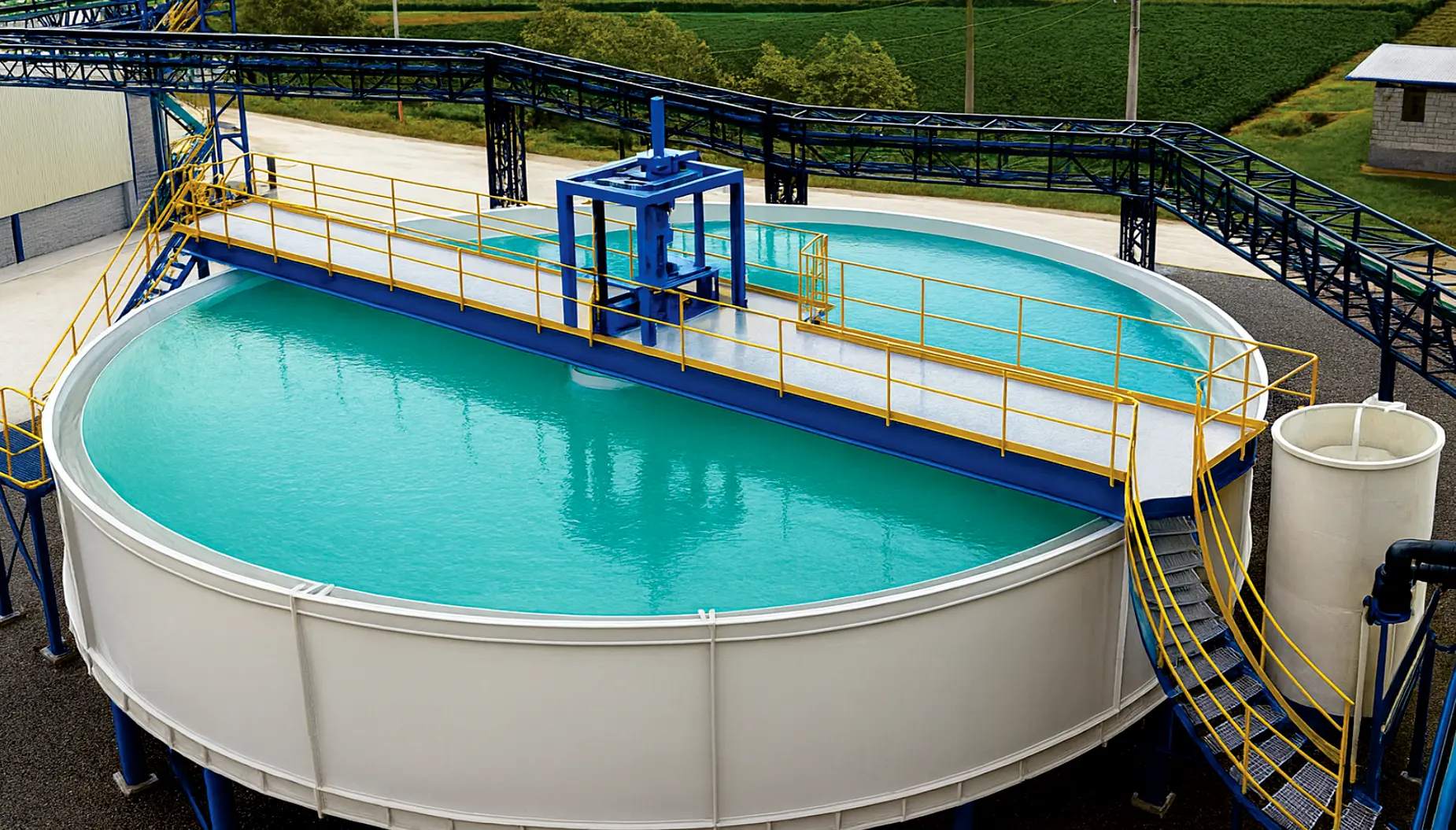
Businesses get high ROI by investing in these products from high-rate thickener manufacturers in Ind
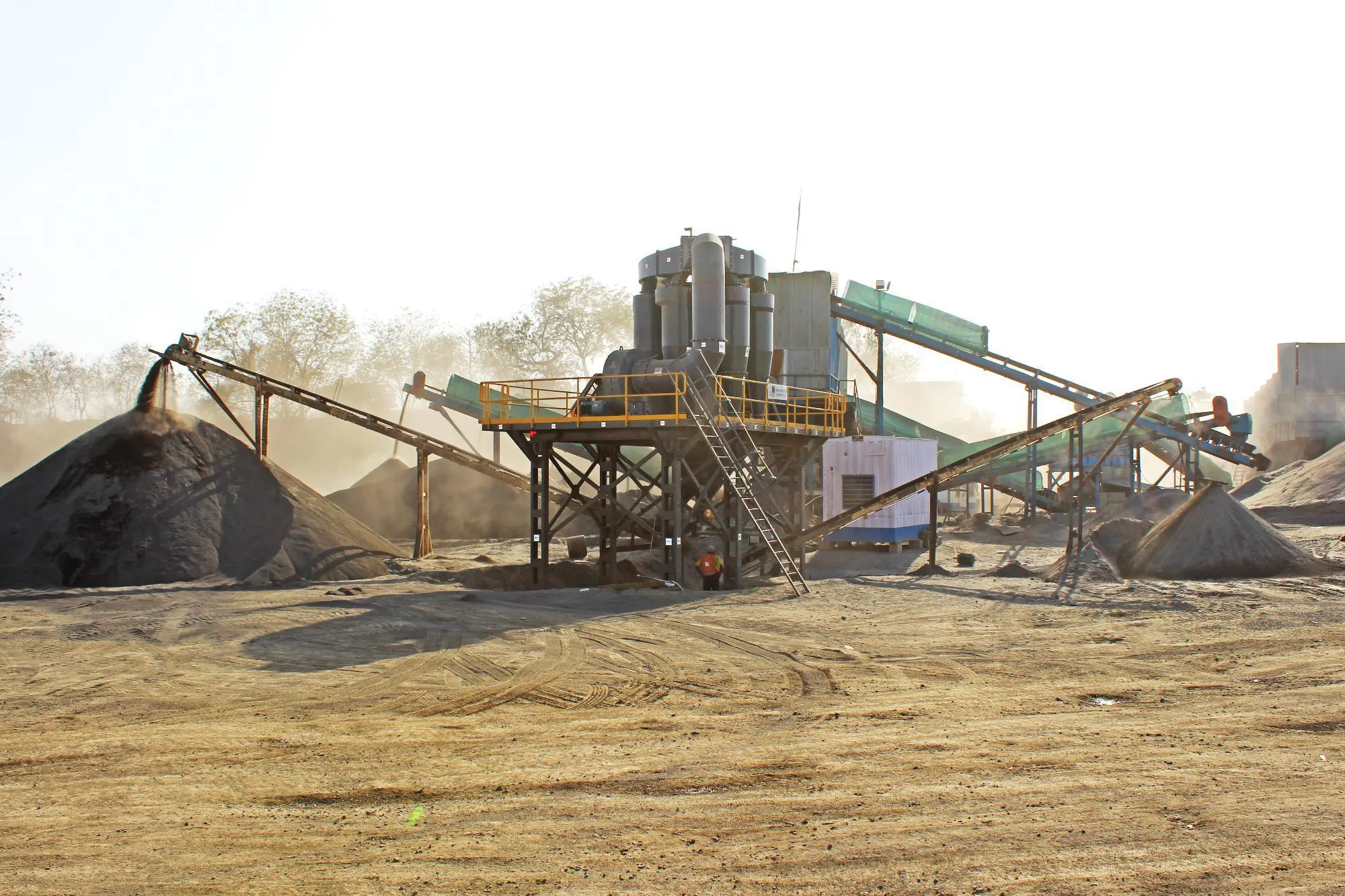
Discover the real cost and long-term benefits of investing in a sand washer machine. Learn how choos
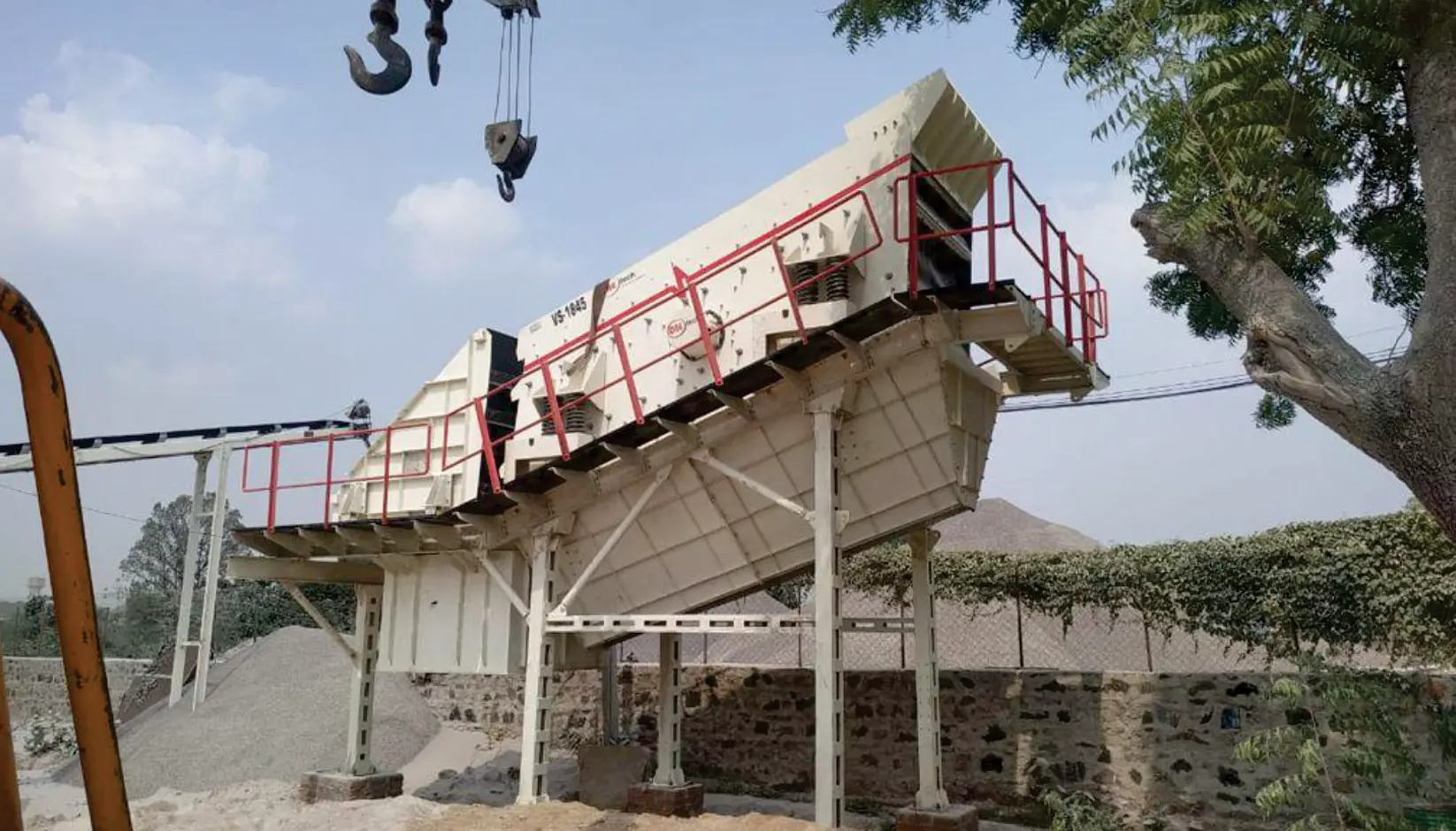
The use of modern sand washing machine design technologies assists in increasing the output quality
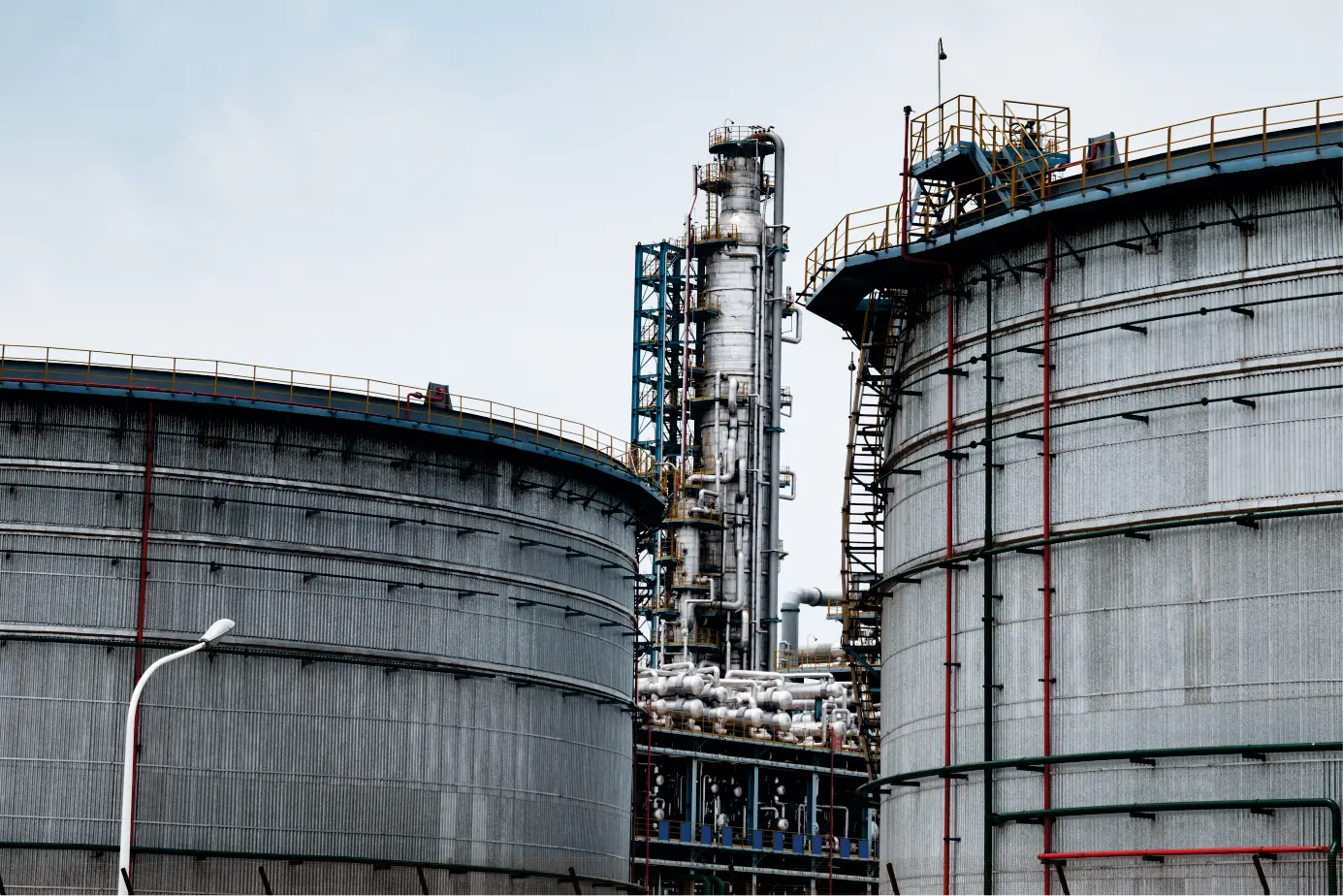
A high rate thickener is a critical piece of equipment in industries like wastewater treatment, mini
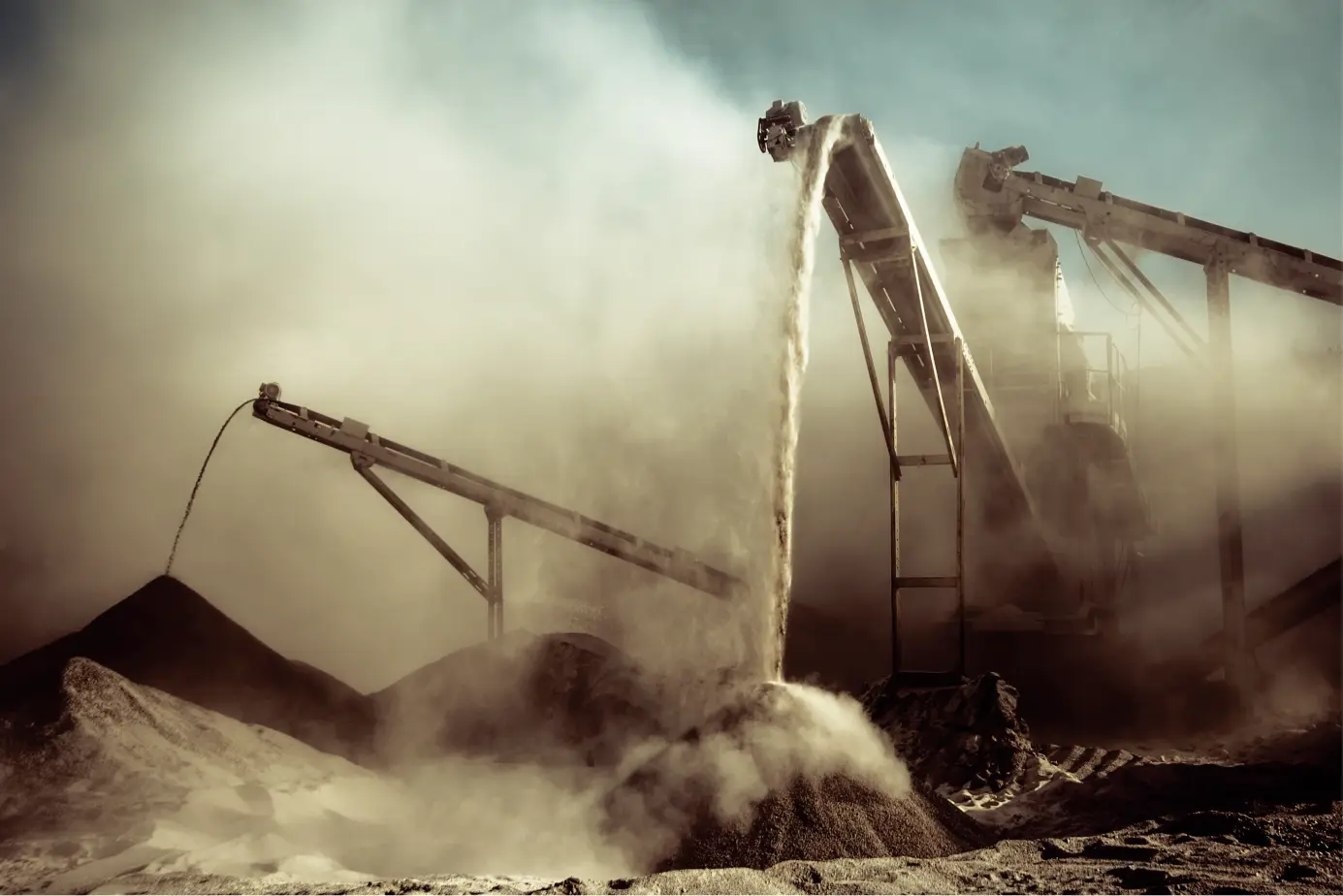
In this guide, we will explain the types of sand washers, their uses and the benefits they offer .
This guide will cover all the information you will require regarding Ore Tech Vibrating Screens, its
For industries in India looking to buy a vibrating screen, searching for a vibrating screen near me

Since 2018, we’ve been crafting crusher spare parts that keep industries moving forward. Reach us at +91-981-177-0428 — Let’s get started today!