Call Us: +91-981-177-0428 | India's Trusted & Leading Manufacturer of Sand Washers & High Rate Thickeners
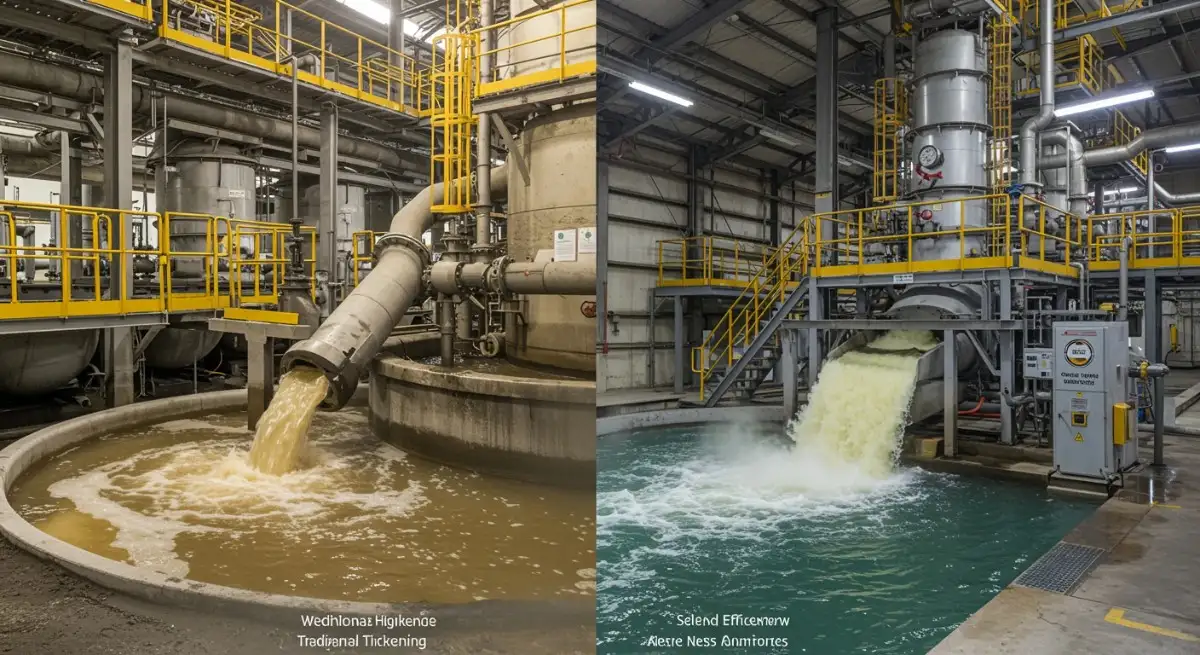
Thickeners are critical components in the processing of minerals, treatment of water, and separation of materials in various industries. These devices separate solids from liquids, recover water for reuse, and manage mud density. Not every thickener works the same way, and one question that comes up frequently is whether you should use a conventional thickener or a high-rate thickener.
This blog looks at both types of thickeners in detail, including how they work, where they work best, and why more companies are moving to newer technology. It will give you everything necessary to make an informed purchase decision if you're an engineer who is looking for ways to upgrade your processing plant or a buyer looking for options when it comes time to choose a new piece of equipment.
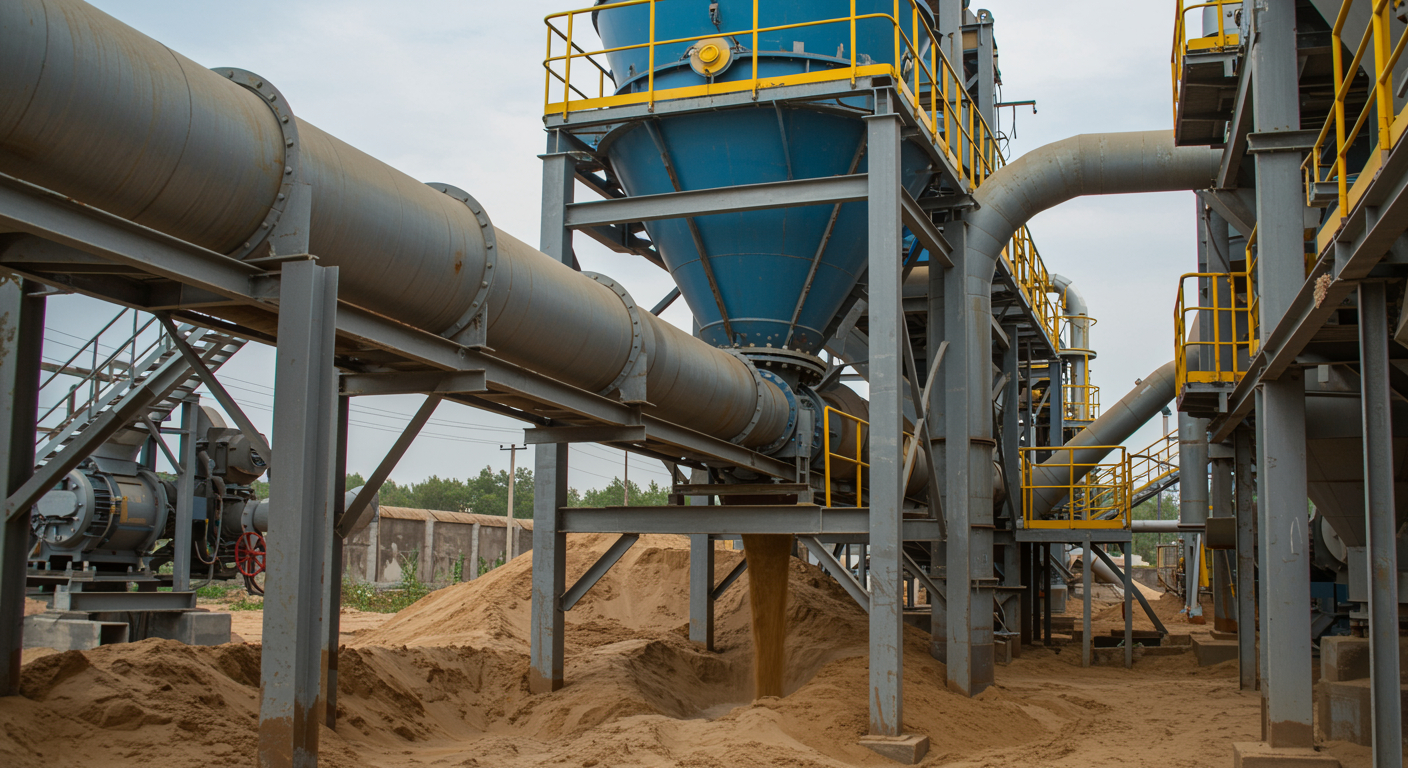
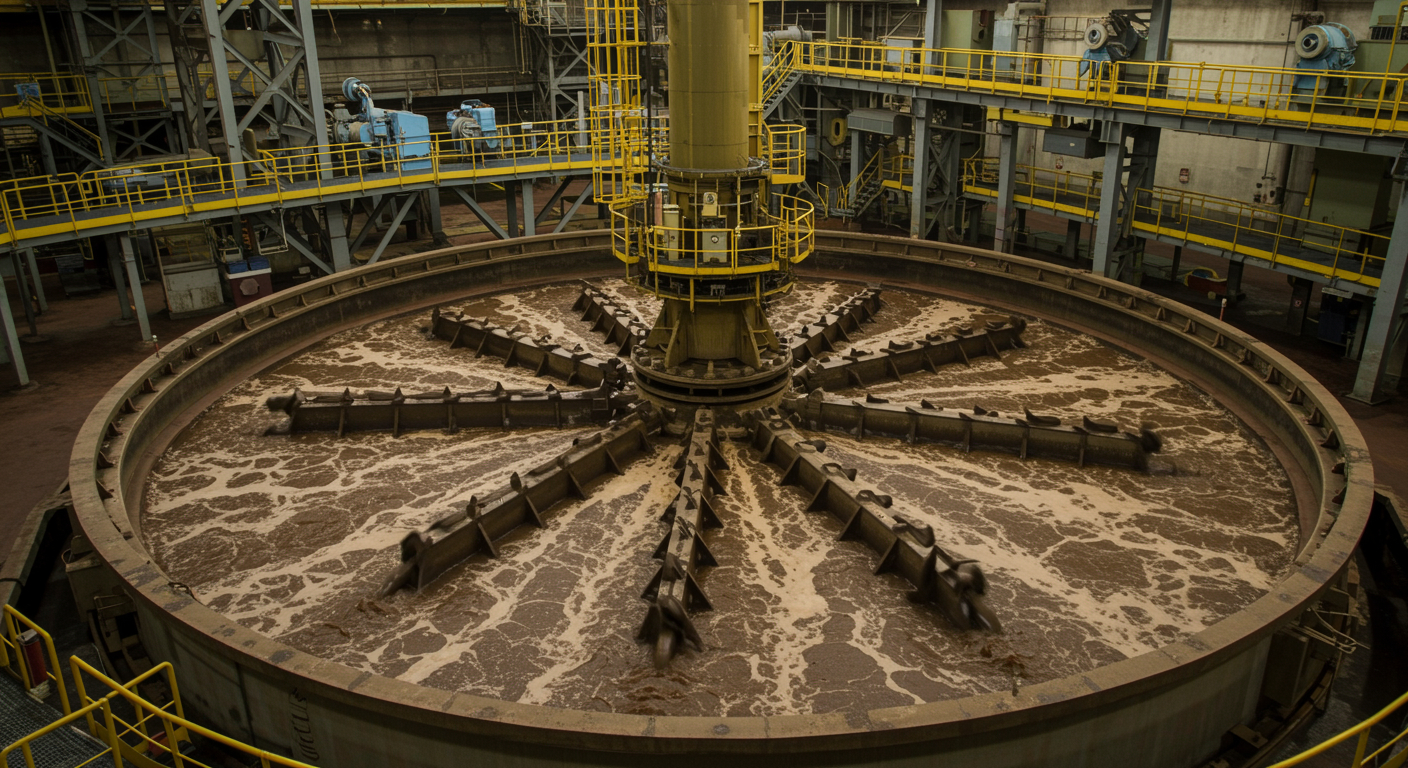
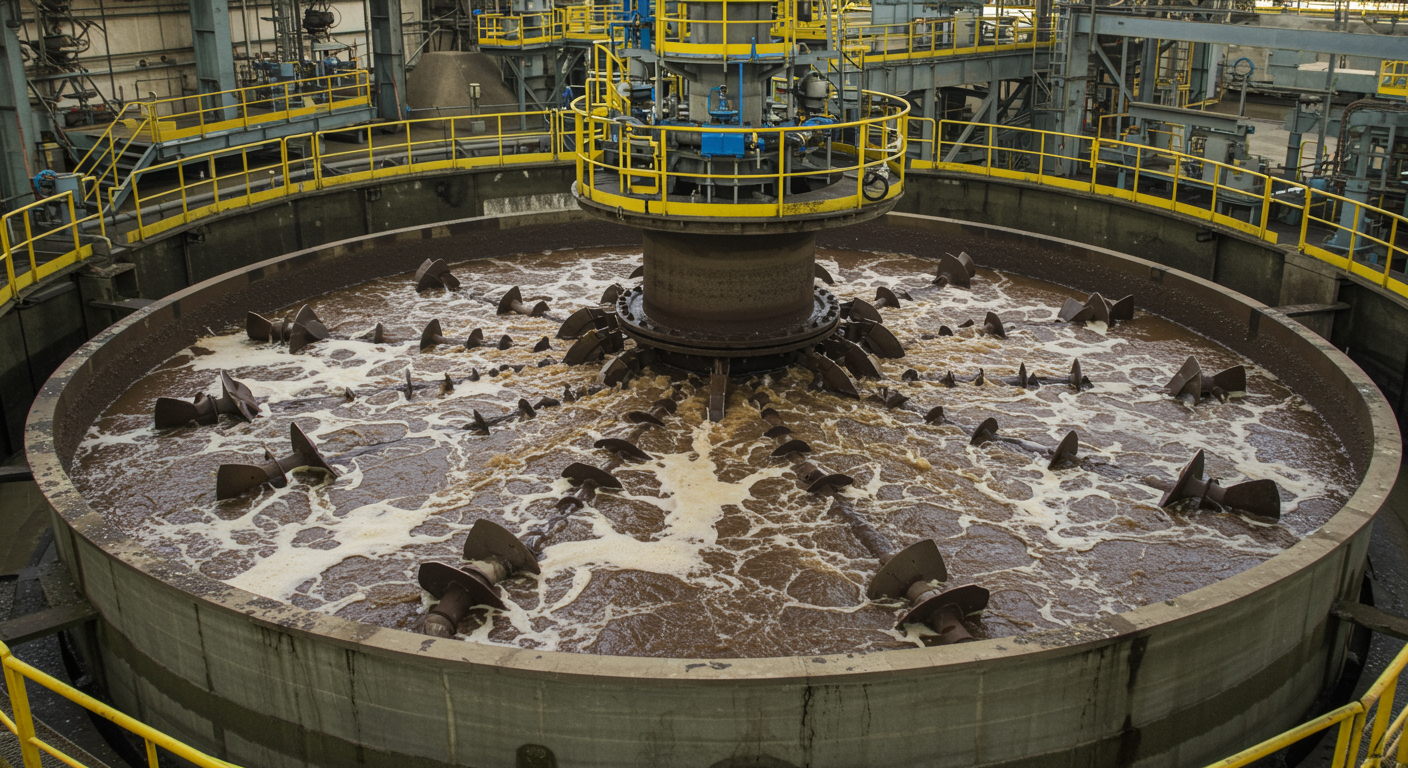
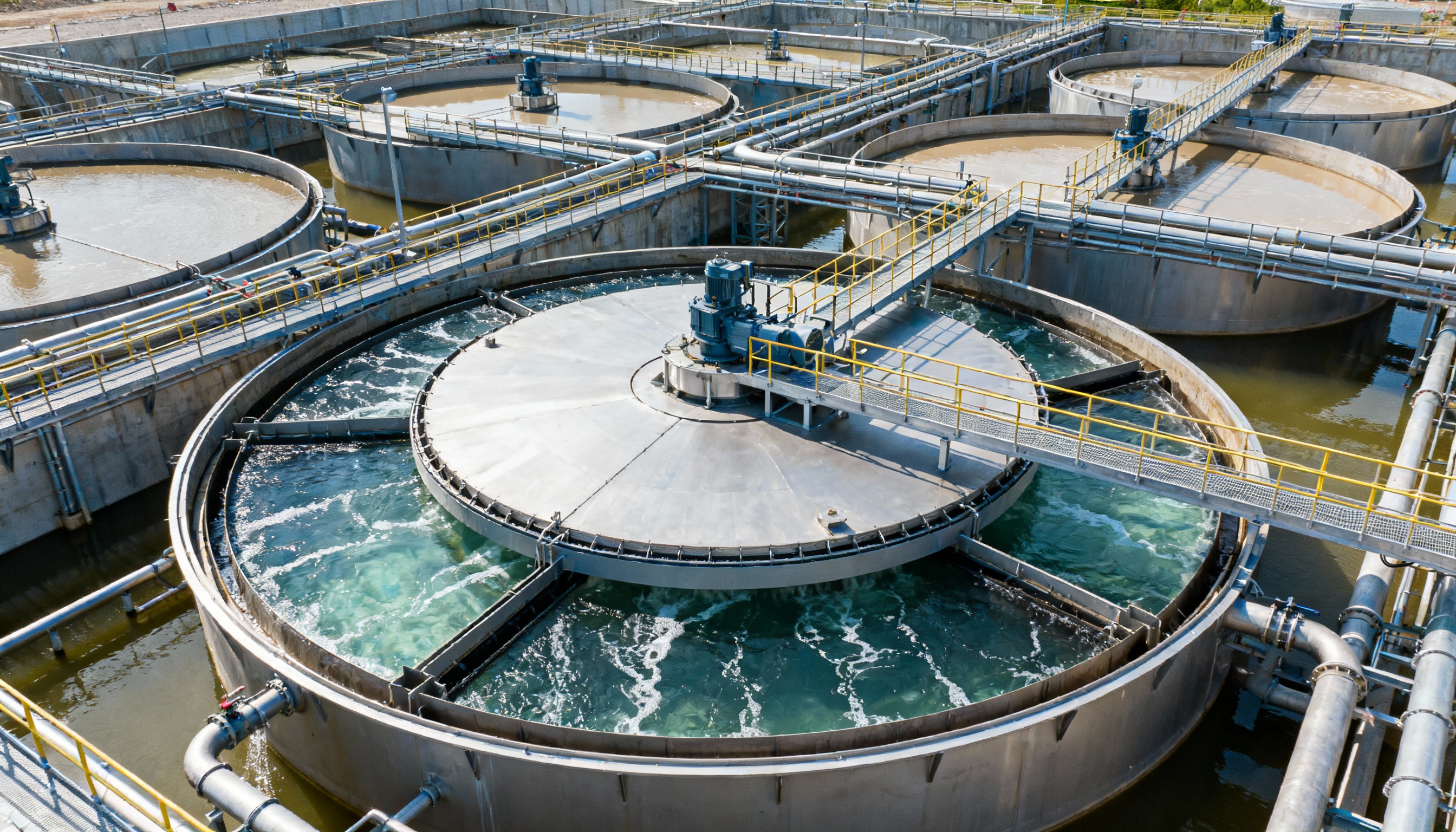
Conventional thickeners have been utilized for more than a century and may be considered the world's first solid-liquid separation equipment. Conventional thickeners work on a simple gravity-settling principle: slurry feed enters a large circular tank, and solids accumulate to the bottom of the tank due to gravity. The water is collected at the top as overflow or clarified water, and solids remain, called 'underflow', until they are removed from the centre of the thickener by rakes with little or no effort or cost. The construction of a Conventional Thickener is basic, reliable, and well known. Conventional thickeners have helped industries, from mining to paper production, for many decades in completing their basic separation processes.
Some major attributes of conventional thickeners include:
In industrial applications where there are very tight budget constraints or where there is little or no benefit to further chemical or mechanical intervention in the separation of ore or slurry, conventional thickeners still have value today.
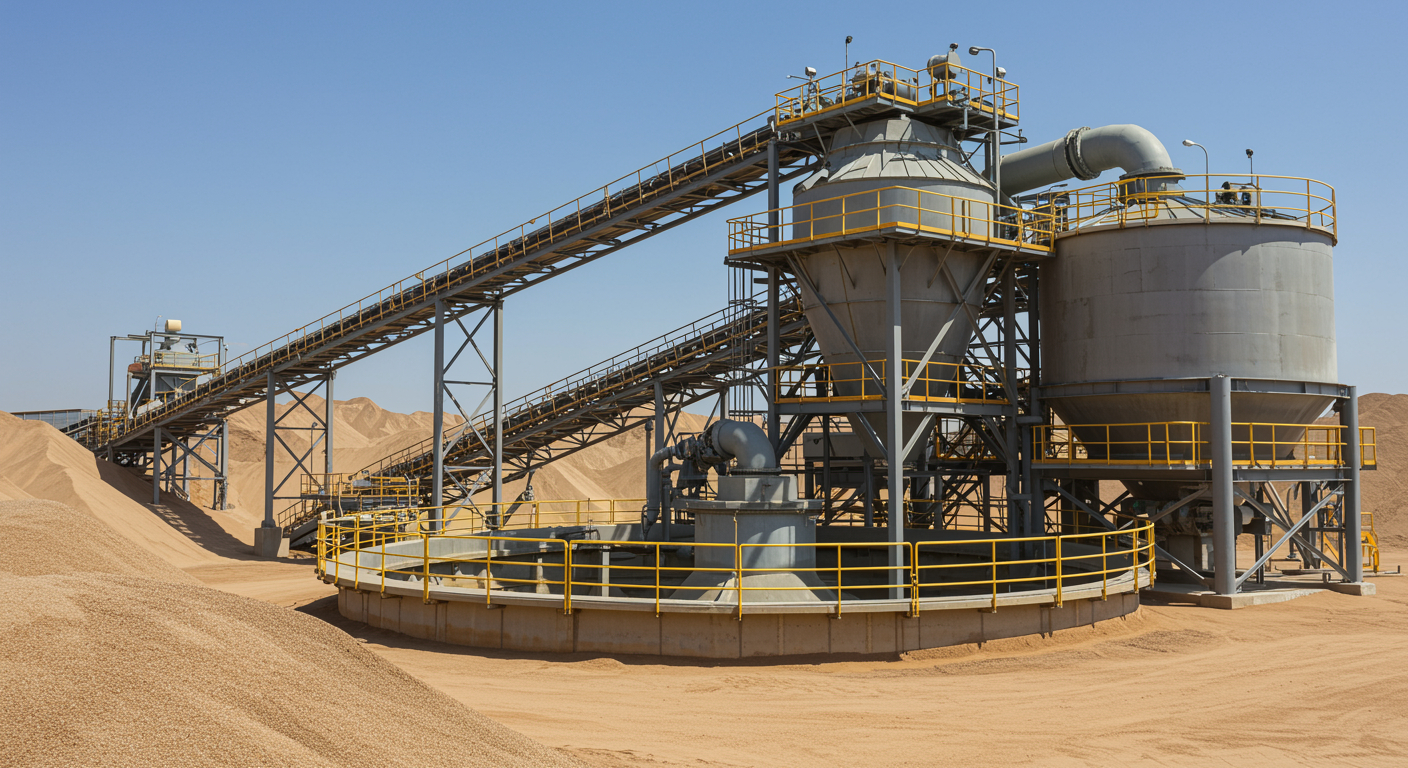
The development of high-rate thickeners has changed the way solid and liquid separation technology is applied in industry. Unlike conventional thickeners, High-Rate Thickeners utilize flocculants (chemicals) to promote the heap of small particles to form larger 'flocs,' which can settle out faster than individual particles. Because the larger agglomerates can settle more quickly than the individual particles, you can build a smaller tank to support the same process volume as would require a much larger conventional thickener. High-rate thickeners have been engineered with a feedwell, which has been designed to create optimal flocculation agglomeration so that the particles are settled out in a controlled and efficient manner with maximum density of underflow and clarity of overflow.
The design of high-rate thickeners makes them the preferred method of solid/liquid separation in modern processing facilities, especially where space is a constraint, water recovery is critical, or where processing is to occur at a high throughput.
The table below captures the most critical differences at a glance:
|
Parameter |
Conventional Thickeners |
High Rate Thickeners |
|
Tank Diameter |
Very large (up to 100m+) |
Compact (significantly smaller) |
|
Settling Rate |
Slow (gravity only) |
Fast (aided by flocculants) |
|
Footprint |
High land requirement |
Minimal land requirement |
|
Throughput |
Moderate |
High |
|
Underflow Density |
Lower to moderate |
High and consistent |
|
Water Recovery |
Good |
Excellent |
|
Civil & Install Cost |
High (due to large size) |
Lower (compact design) |
|
Flocculant Usage |
Minimal or none |
Required for efficiency |
|
Feed Flexibility |
Moderate |
High |
|
Best For |
Low tonnage, spacious sites |
High tonnage, space-constrained |
|
Operational Control |
Basic |
Advanced |
|
Capital Investment |
Lower per unit |
Higher per unit, lower overall |
Industries are quickly adopting high-rate thickening systems because they generate considerable efficiency gains and cost savings.
Some key benefits of high-rate thickeners include the following:
Because of their small footprint and standard construction, the cost of civil works and infrastructure is less. As a result, the ability to expand capacity easily for increased usage of high-rate thickening systems in the mining, fertilizer, and municipal wastewater treatment industries.
In the material processing equipment industry, Oretech Industries is the trusted and reliable name. Ore Tech was established in 2018 by Sandeep Kumar. With years of experience and great expertise in engineering, the company also provides the best solution with high quality and designs in high-rate thickeners, conventional thickeners, and industrial thickeners according to industry requirements. They also focus on improving machines with modern technology so that they can provide better performance and greater productivity. We specialise in screening and separation technologies with advanced machines for different industrial applications. We are committed to providing a high-quality machine with our excellent engineering team. Our team checks every machine before the delivery so that the customer doesn't face any problem.
Many industries that look for dependable screening equipment on a regular basis depend on Ore Tech for their best-in-class industrial solutions because they provide an extensive range of sand washers, thickeners, hydroclones, sand washer plants, and many related products. We are a perfect fit for you if you are looking for vibrating screen machines, sand washers and high-rate thickeners.
High-density thickeners are commonly used in applications where a standard high-rate design may not be able to meet requirements enough. These thickeners are designed to provide significantly higher density underflow concentration than the standard type of high-rate thickener.
With high-density thickeners, there is a more complex rake mechanism and a need for greater torque requirements; however, in many of today’s mining and processing plants, the environmental and operational advantages outweigh those disadvantages.
Here is a related blog you might be interested in:
How High-Rate Thickeners Save Up to 90% of Water in Sand Washing Plants.
Industrial thickeners encompass both conventional and high-rate variants and are used across a staggering range of industries.
The correct selection depends heavily on feed characteristics such as particle size, density, viscosity, throughput requirements, available footprint, water recovery targets, and downstream process requirements. A plant that chooses the wrong type of thickener — even if it is cheaper upfront — often pays more in operating costs, downtime, and inefficiency over the equipment's lifetime.
When evaluating high-rate thickeners online or comparing suppliers of high-rate thickeners, consider the following:
Specific to purchasers in India, by teaming with established high-rate thickener manufacturers in India, you will have the advantage of lead time, site visits, local service, and better price competition compared to purchasing from a manufacturer located outside of India.
Specifically, the industrial zone of Haryana has developed into a strong manufacturing region for mineral processing equipment. Companies engaged as High-Rate Thickener Manufacturers in Faridabad are well situated to deliver products at a lightening fast speed.
Ans: The primary difference lies in settling efficiency and design. Conventional thickeners rely on gravity for separation, while high-rate thickeners use flocculants to accelerate settling, enabling faster processing, higher throughput, and a more compact design with improved water recovery performance.
Ans: Industries prefer high-rate thickeners due to their smaller footprint, faster settling rates, and better water recovery. These systems reduce operational costs, improve efficiency, and support high-capacity processing, making them ideal for modern plants with space and environmental constraints.
Ans: Conventional thickeners are suitable for applications with lower throughput requirements and where space is not limited. They are cost-effective for simple operations and are widely used in industries where advanced chemical treatment or high efficiency is not essential.
Ans: Flocculants help bind fine particles into larger aggregates called flocs. These flocs settle faster than individual particles, improving separation efficiency, increasing underflow density, and enhancing overflow clarity, which ultimately boosts the overall performance of high-rate thickeners.
Ans: Key factors include slurry characteristics, particle size, required throughput, water recovery goals, available space, and downstream processing needs. Choosing the right thickener ensures better efficiency, lower operating costs, and long-term reliability in industrial operations.
Selecting between a conventional vs high-rate thickener will depend on your specific operational requirements. Conventional type systems are still highly effective for niche applications and will likely continue to do so in the future. High-rate thickeners have become the new standard for efficient solid and liquid separation due to their compact design, rapid settling times, better water recovery, and consistent underflow quality. Evaluating high-rate thickeners should be a high priority when designing a greenfield facility or upgrading an existing facility. When researching high-rate thickeners online, comparing specifications or requesting a proposal customized to your project from an experienced, reliable manufacturer will undoubtedly be your best first step.
To source high-quality, high-rate thickeners, sand washers, vibrating screens and more,
Improve M-Sand quality with advanced silt removal methods. Learn how washing plants remove clay, dus
Learn how to choose the right vibrating screen machine for your industrial needs. Explore types, wor
Discover if a mild steel sand washing machine is worth your investment. Learn cost, ROI, features, a
Discover how dry sand washers offer an eco-friendly, cost-effective solution for sand cleaning. Save
Discover the ultimate guide to vibrating screens, including types, applications, and key benefits fo
Hydrocyclone vs sand washer comparison for silt removal in sand plants. Learn efficiency, sand recov
Searching for a sand washing plant near me? See 2026 price insights, advanced sand washing machine t
Recover up to 15% more sand with advanced hydrocyclone separator technology. Learn hydrocyclone work
Save up to 90% water in sand washing plants with high-rate thickeners. Learn operation, benefits, RO
Looking for high-rate thickener manufacturers in India? Learn how high-rate thickeners improve effic
Looking for trusted hydrocyclone manufacturers in India? Ore Tech offers high-efficiency hydrocyclon
Learn everything about industrial thickeners – types, working process, applications, benefits, and
A complete guide to plaster sand plants covering working principle, benefits, uses, and cost factors
Learn how to select the right sand processing equipment based on industry needs—construction, glas
Explore how industrial vibrating screens help businesses enhance efficiency by choosing reliable vib
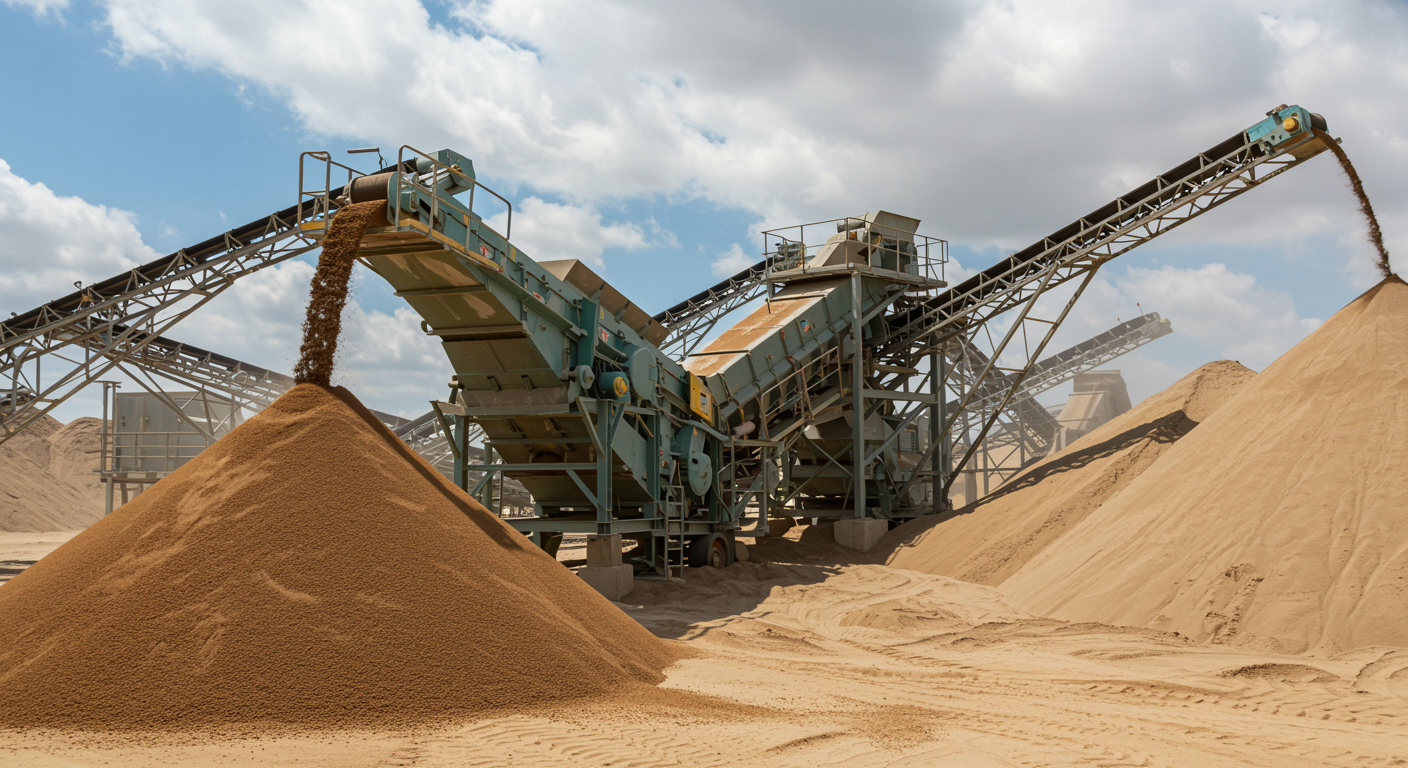
Discover how sand classifier machines, tanks, and plants improve sand washing efficiency, grading ac

Planning to buy a sand classifier machine? Learn types, buying factors, and expert tips from trusted
Understand the financial benefits of switching to a High-Rate Thickener — from increased efficienc
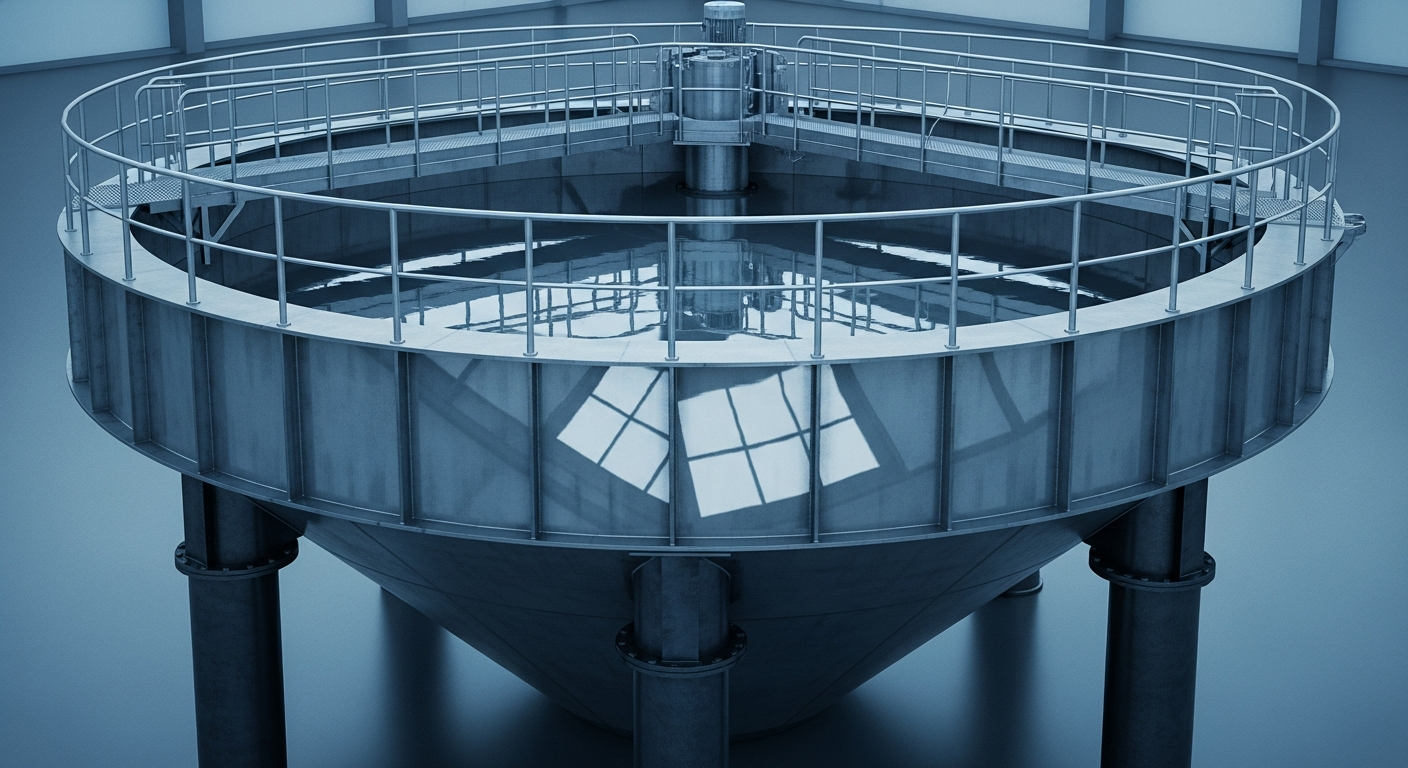
Searching for high-density thickener in Faridabad? ORE Tech is just the platform for you. Contact us
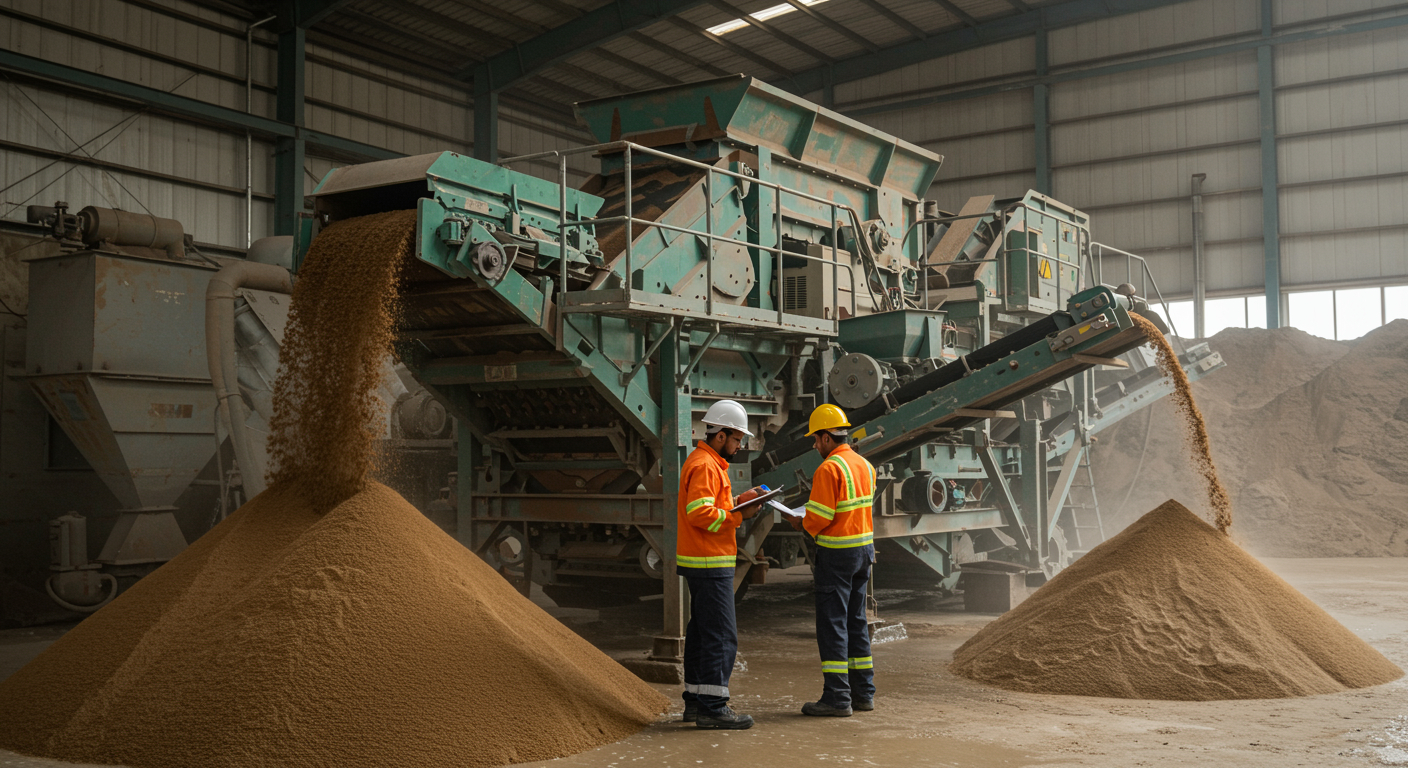
Looking for sand classifier manufacturers? Contact ORE Tech today. We are known for delivering only
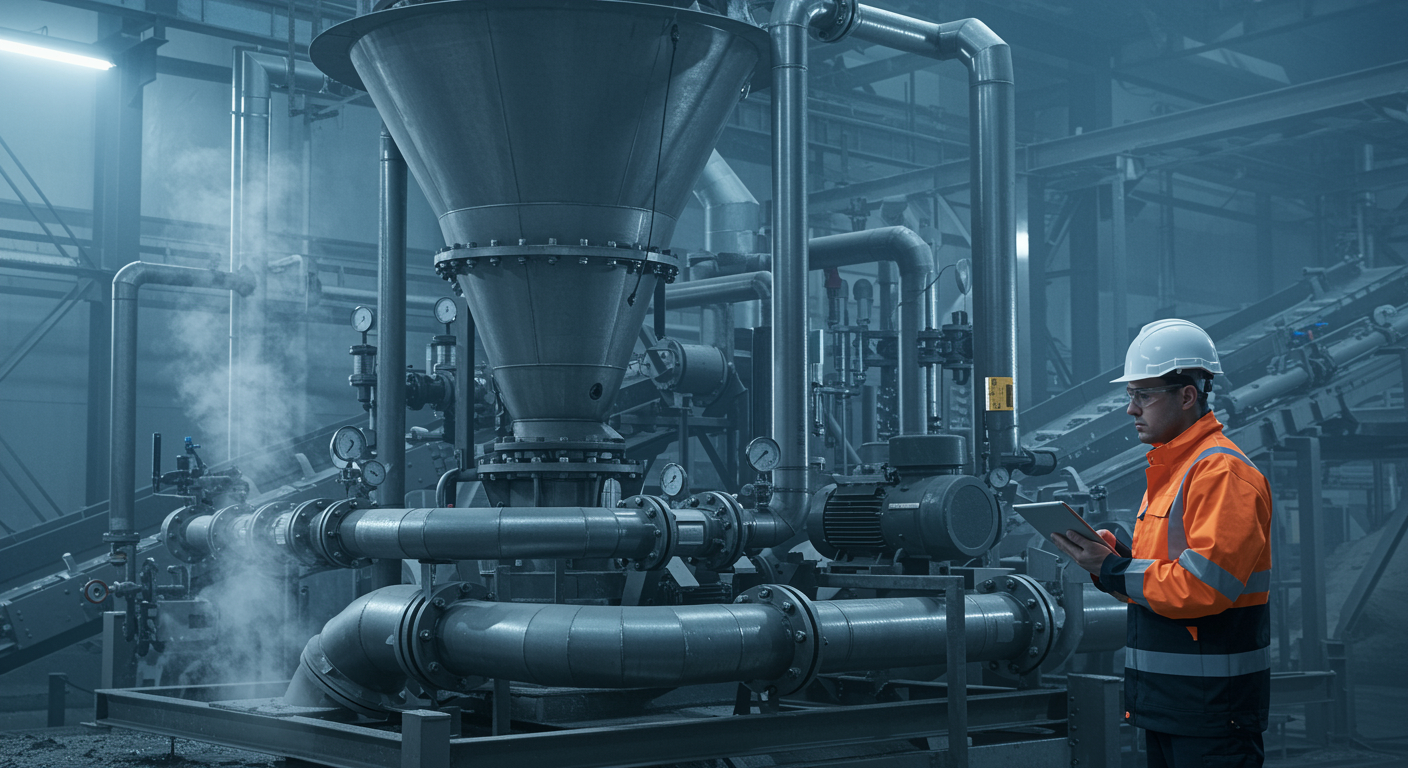
we will talk about 5 usual signs that highlight that your hydrocyclone separator is not performing a
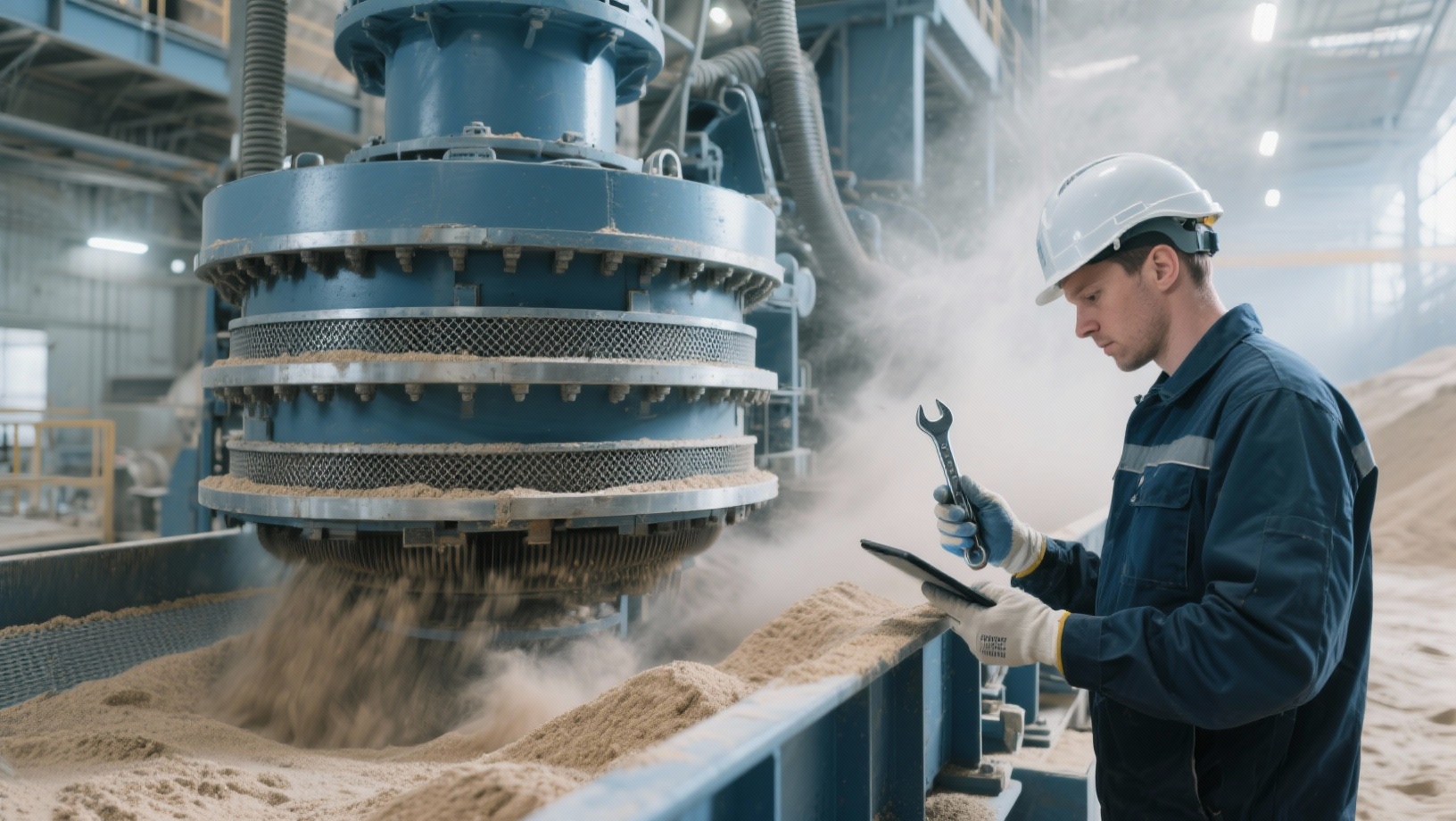
Vibratory separators are the key to productive classification of materials and product quality in va
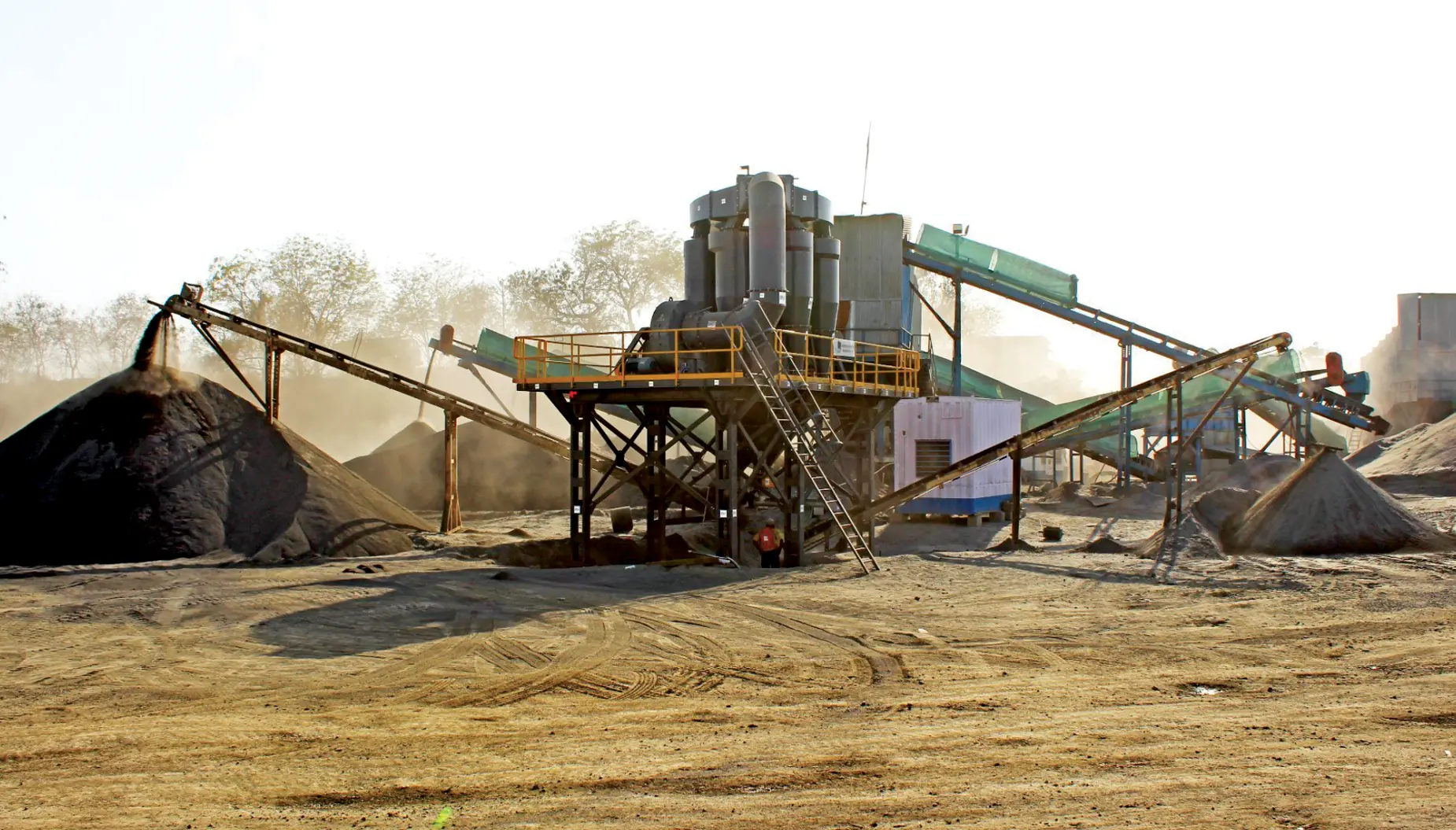
A wise choice for a good sand washing plant manufacturer in India requires striking a balance betwee
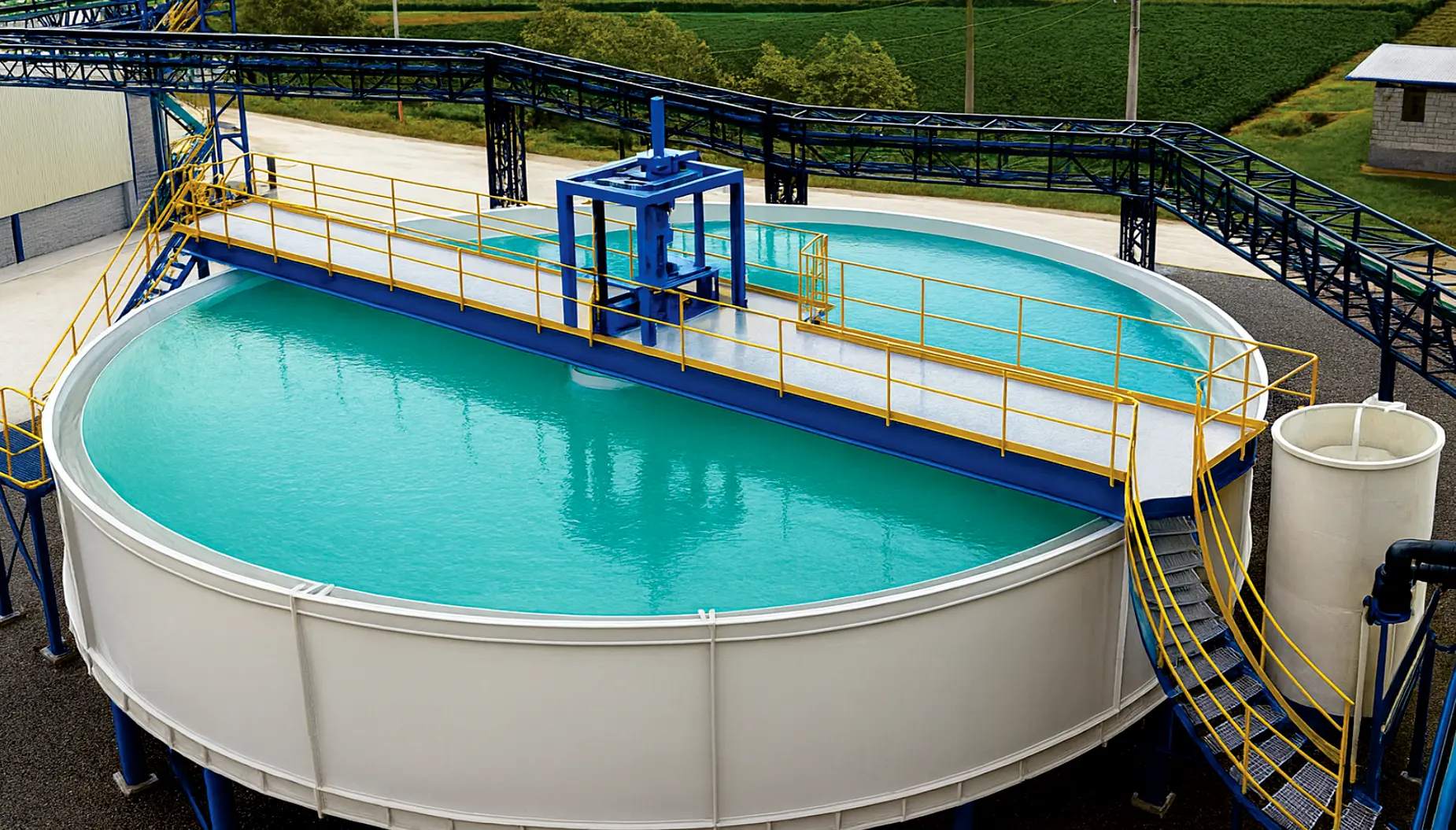
Businesses get high ROI by investing in these products from high-rate thickener manufacturers in Ind
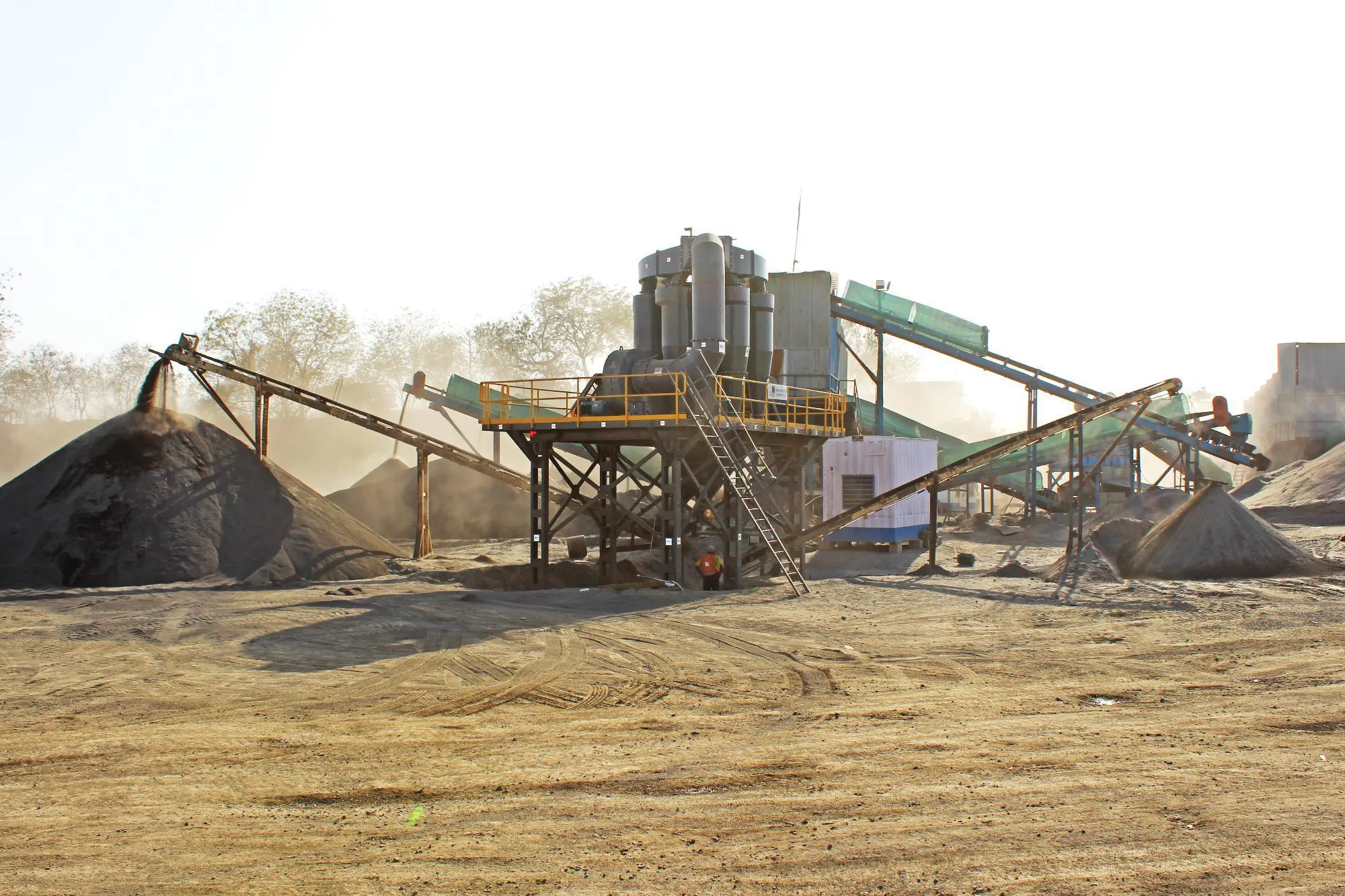
Discover the real cost and long-term benefits of investing in a sand washer machine. Learn how choos
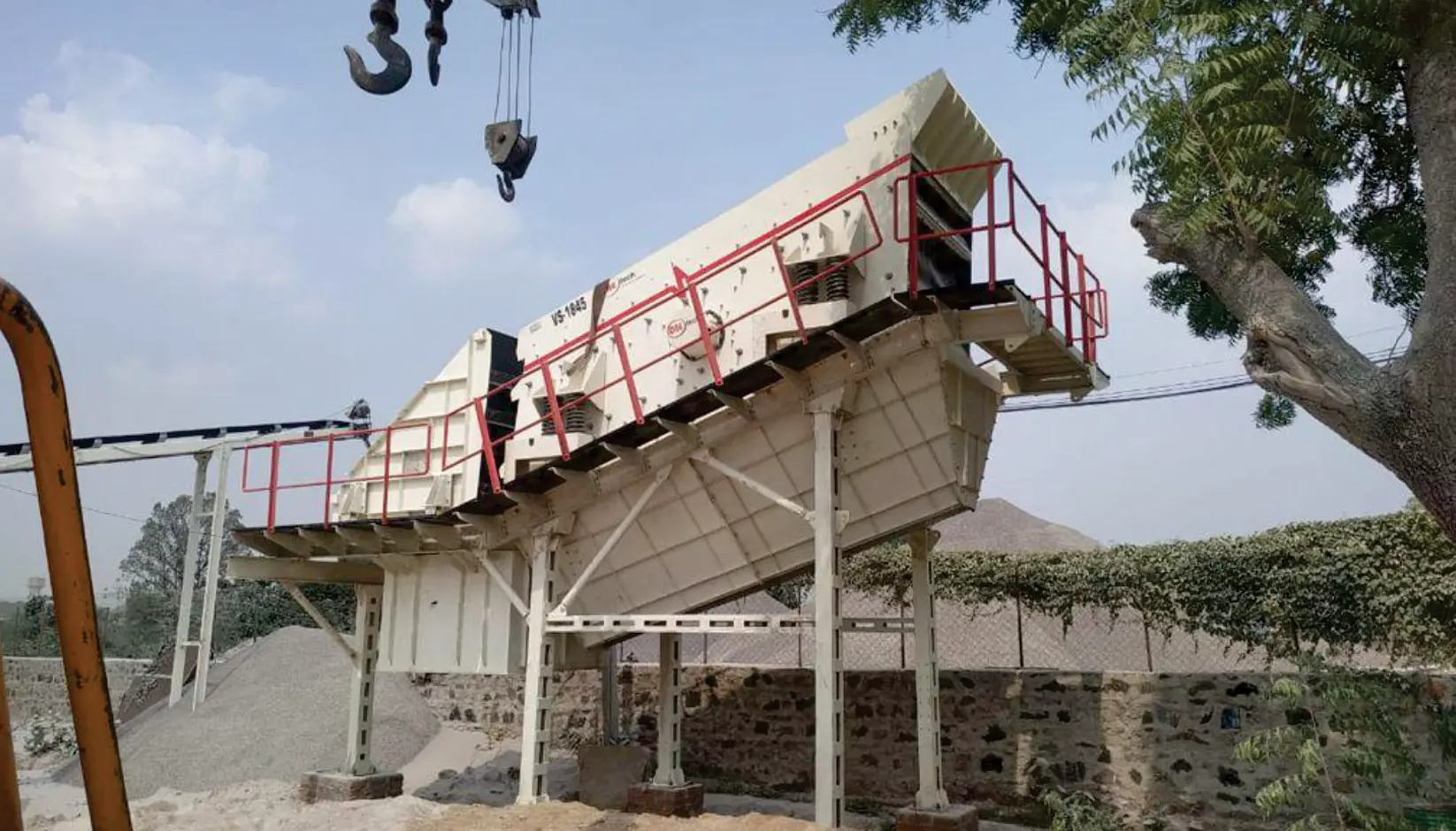
The use of modern sand washing machine design technologies assists in increasing the output quality
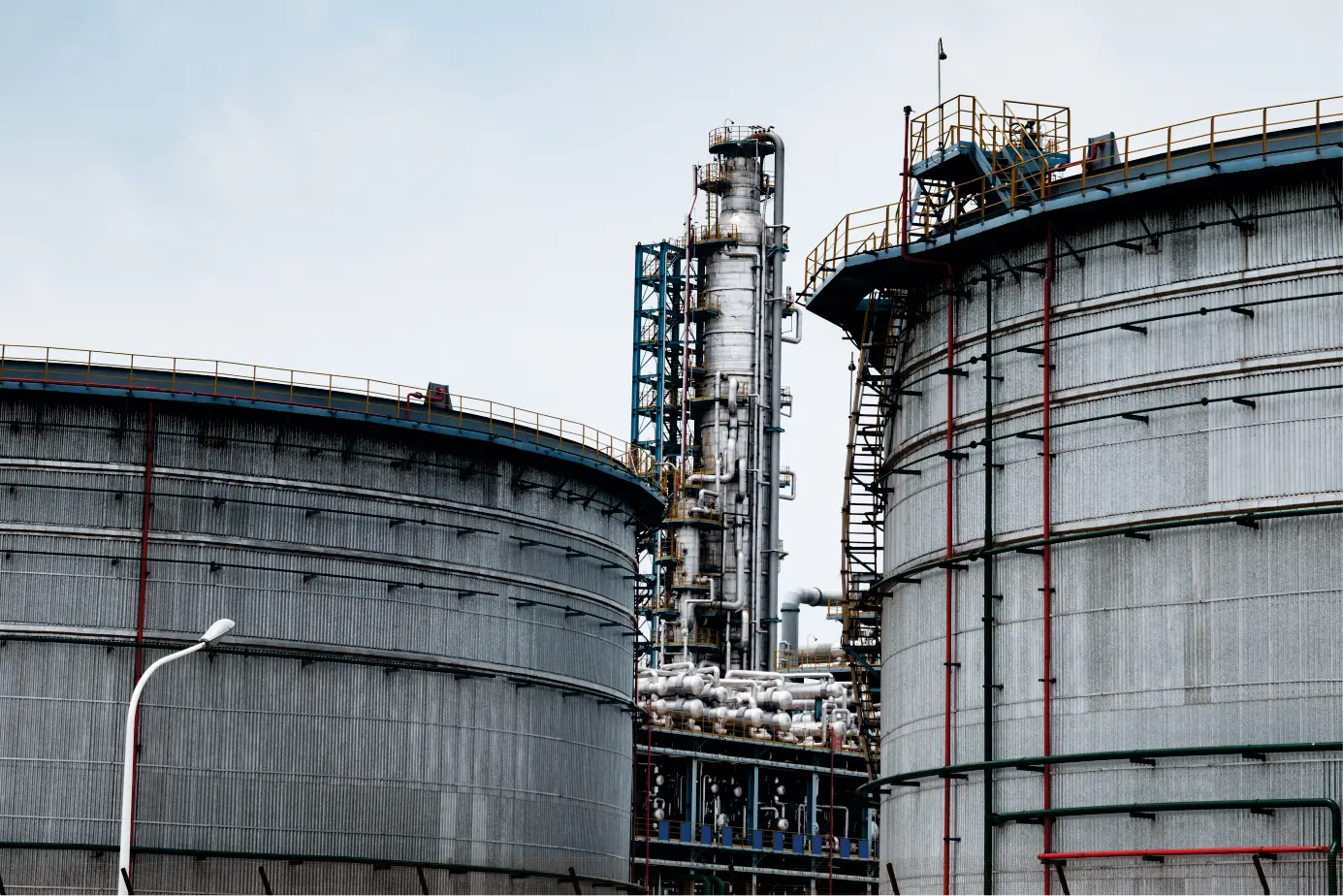
A high rate thickener is a critical piece of equipment in industries like wastewater treatment, mini
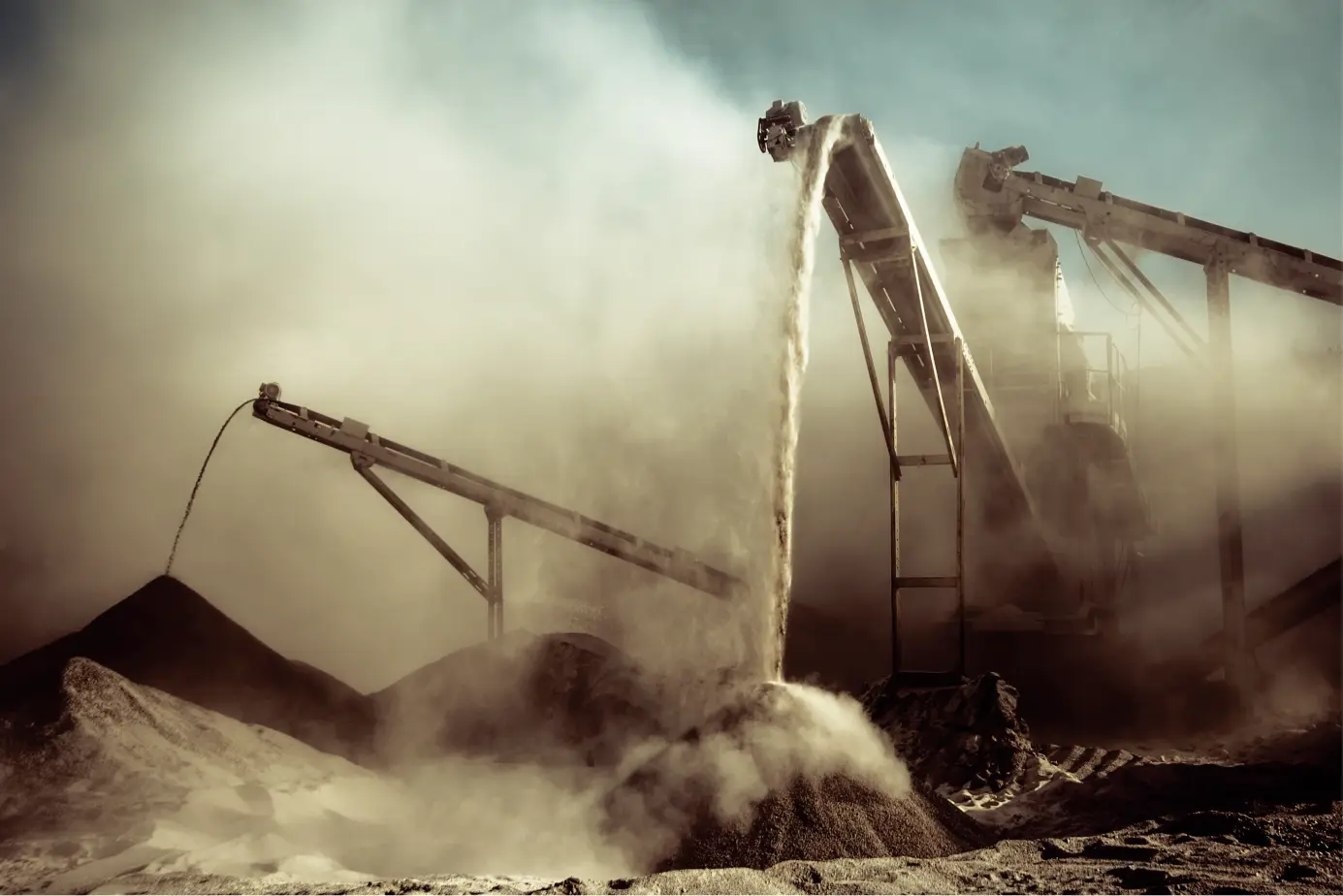
In this guide, we will explain the types of sand washers, their uses and the benefits they offer .
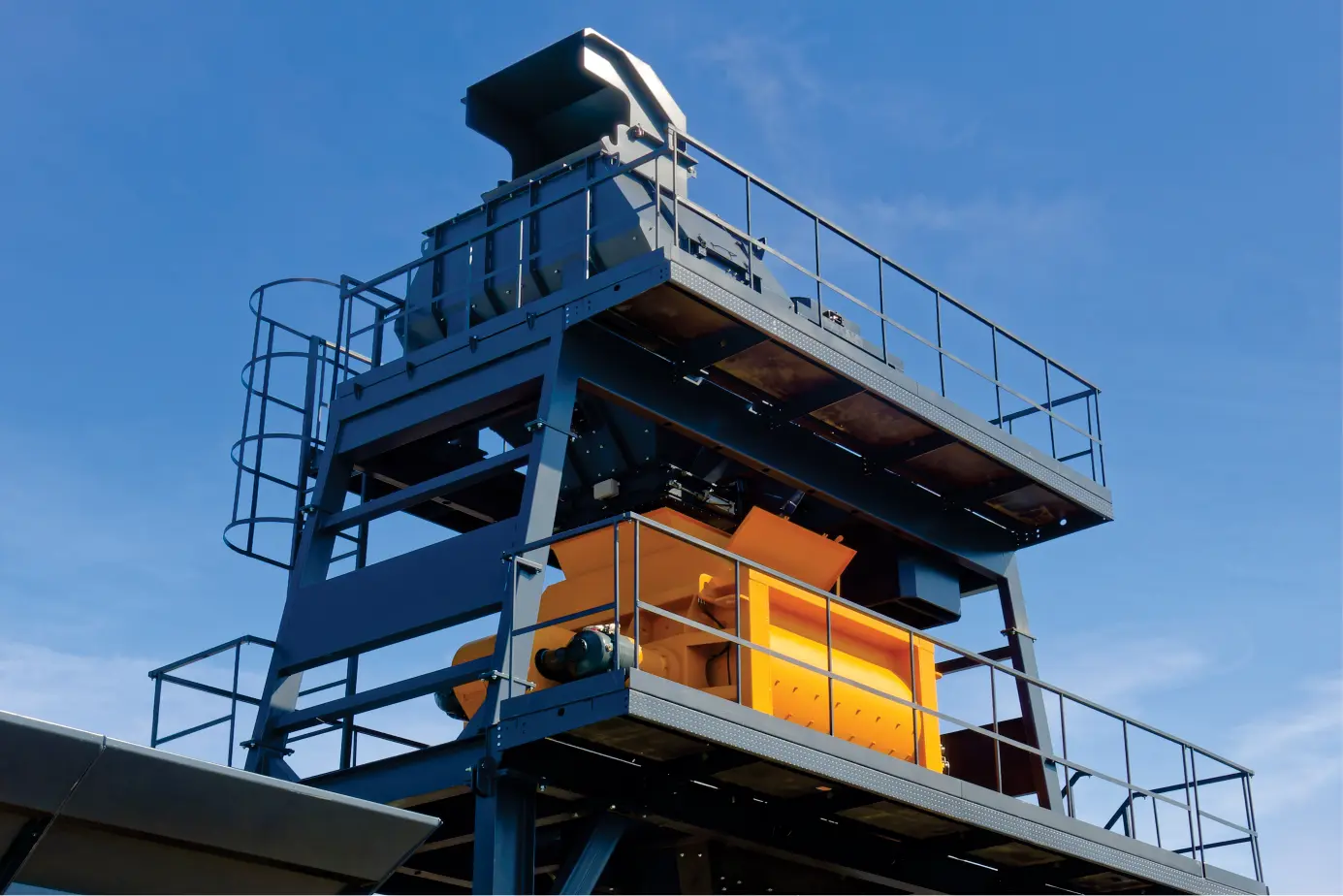
This guide will cover all the information you will require regarding Ore Tech Vibrating Screens, its
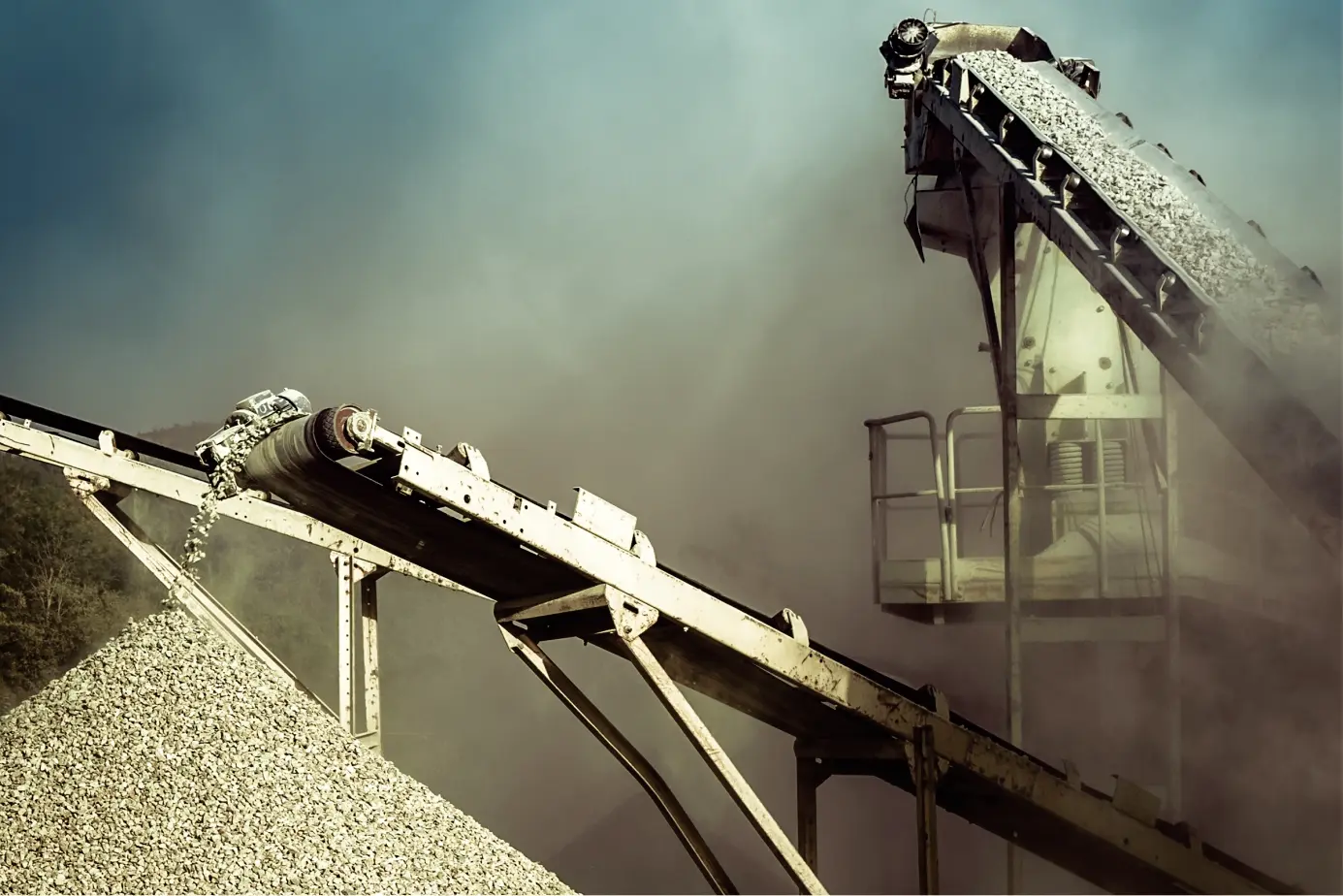
For industries in India looking to buy a vibrating screen, searching for a vibrating screen near me

Since 2018, we’ve been crafting crusher spare parts that keep industries moving forward. Reach us at +91-981-177-0428 — Let’s get started today!