Call Us: +91-981-177-0428 | India's Trusted & Leading Manufacturer of Sand Washers & High Rate Thickeners
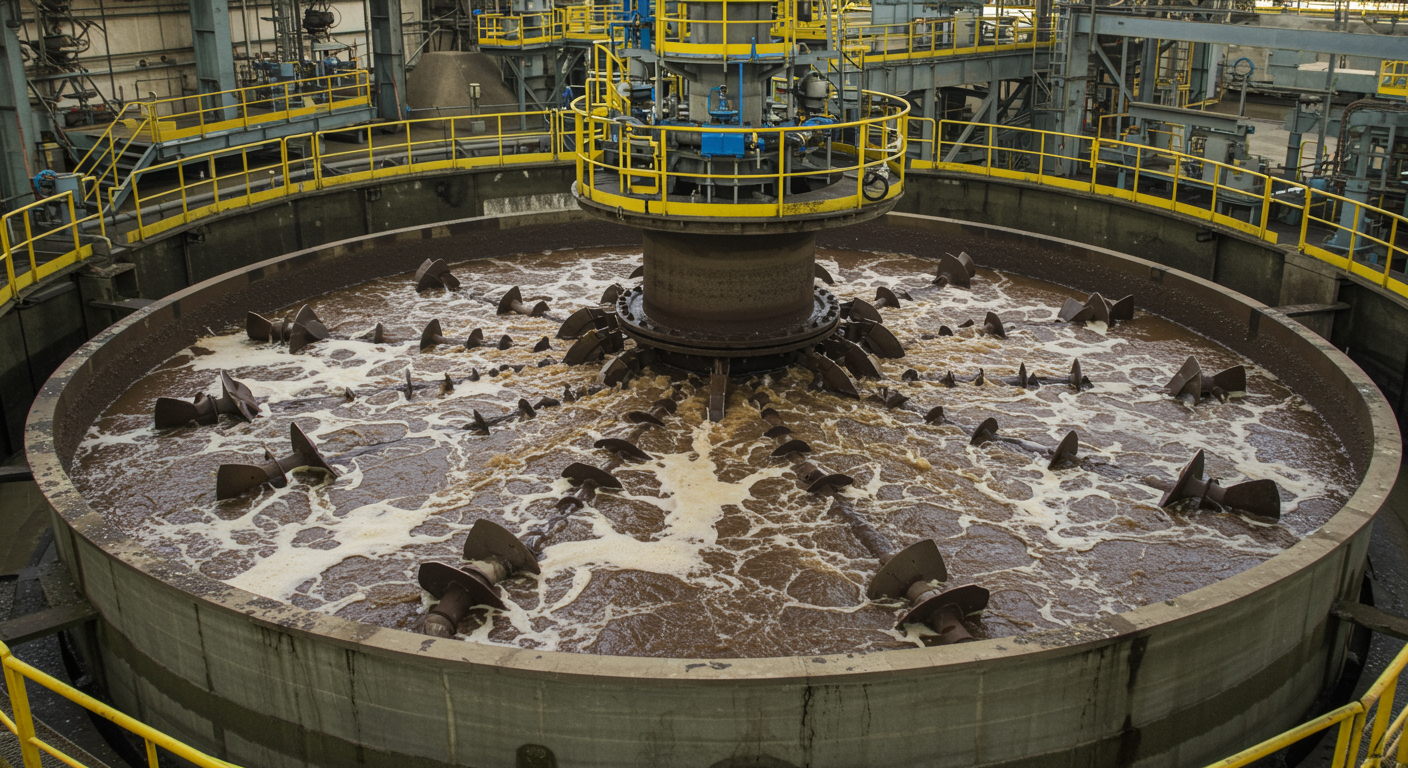
Industries like mining, wastewater treatment, chemical, food, etc., require dependable solutions that can easily separate solids from liquids. This is done with the help of industrial thickeners.
This guide will talk about industrial thickeners—their functioning, types, applications, etc. Our aim is to let you make an informed choice by the end of this blog.
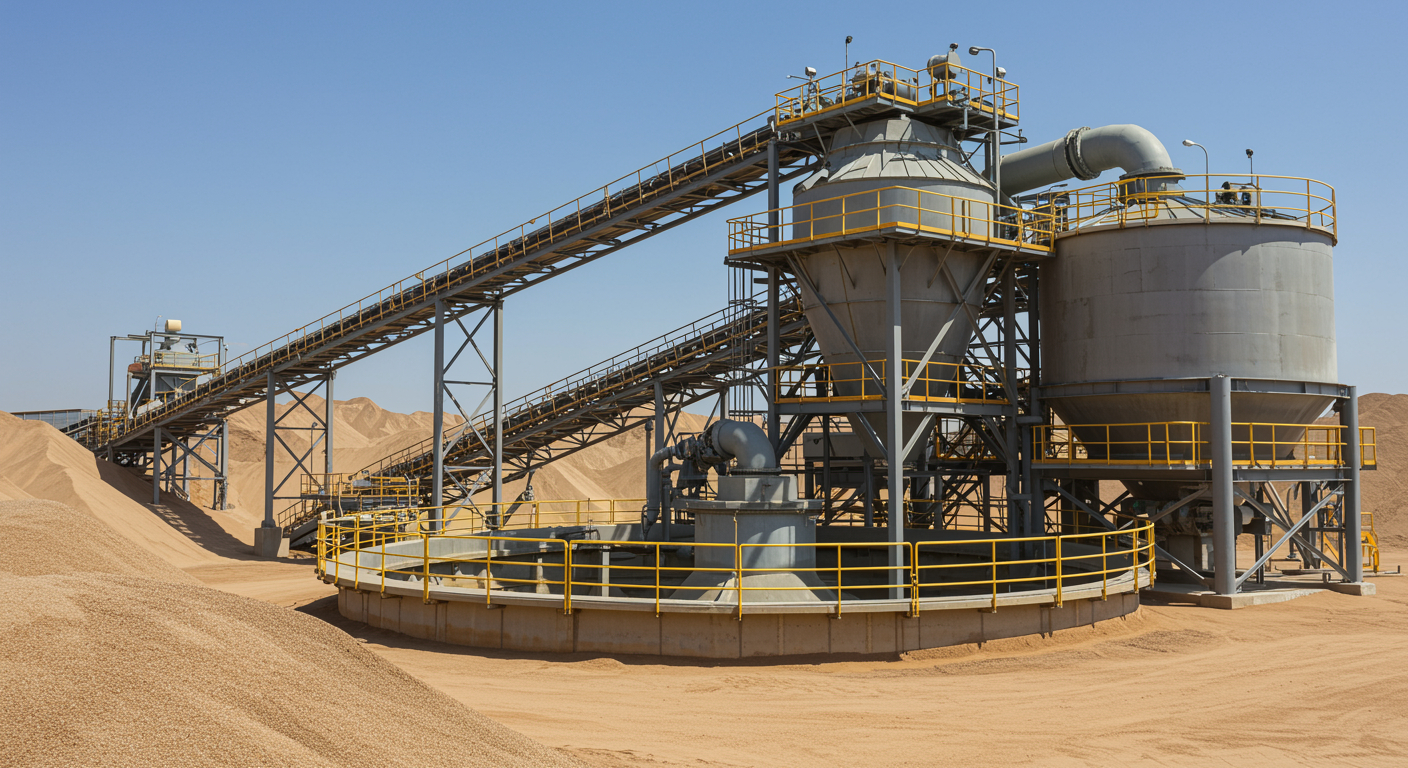
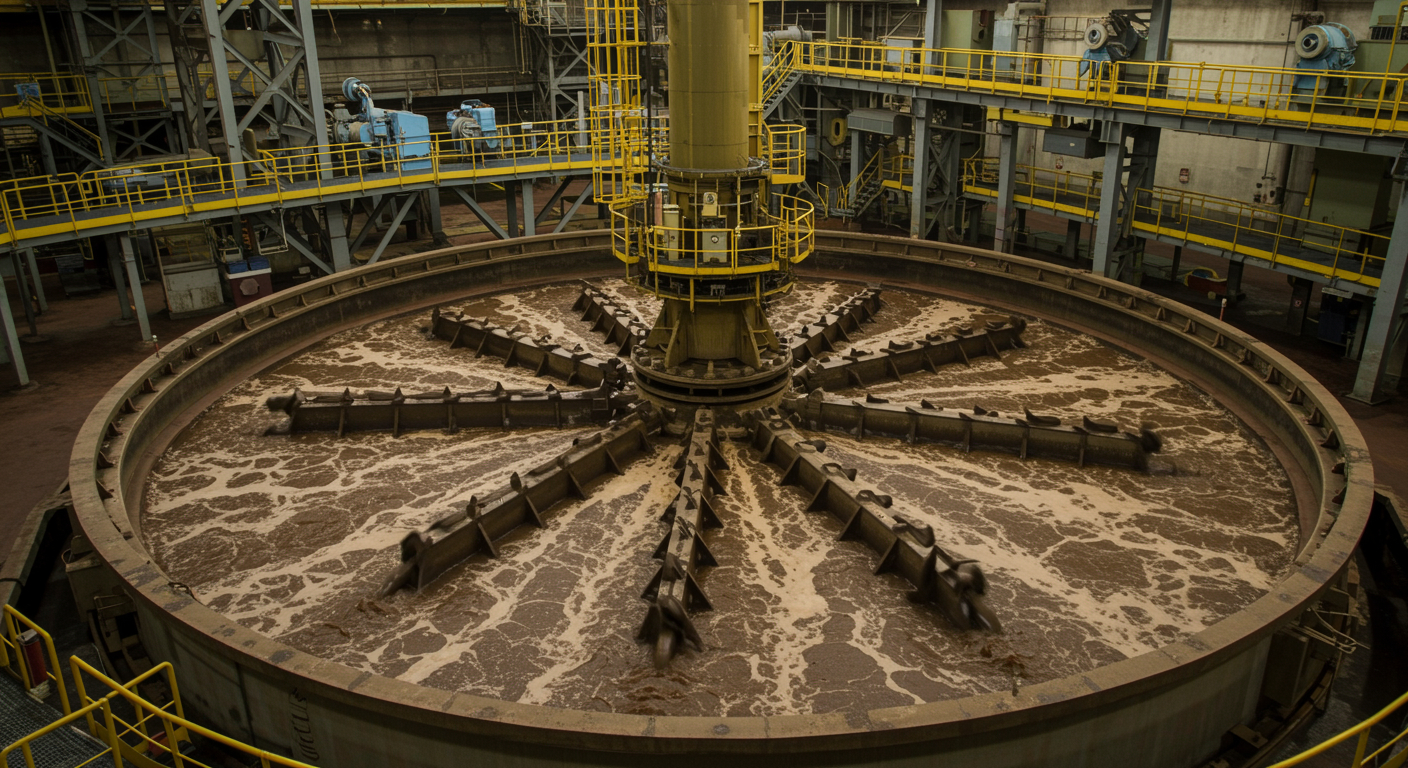
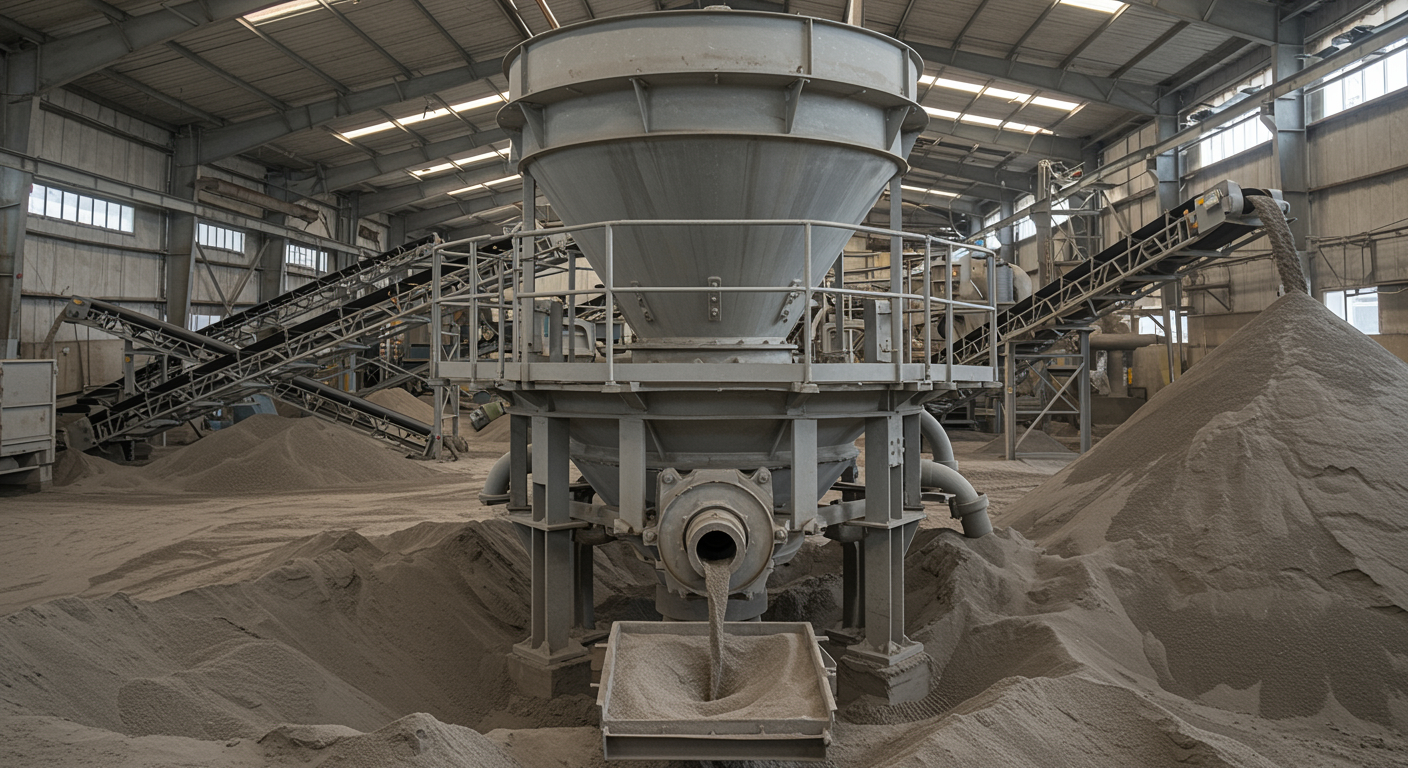
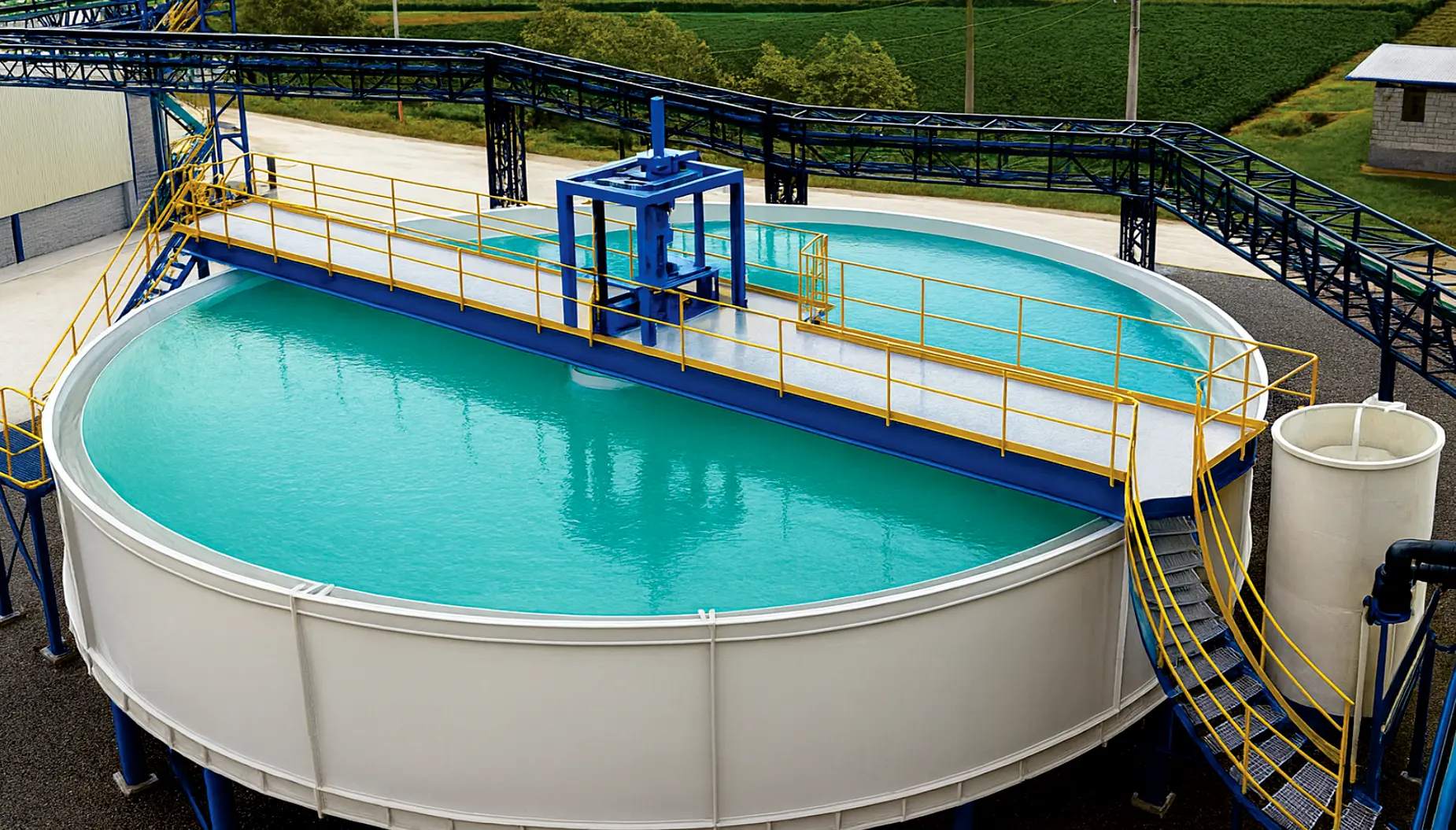
A mechanical device that is used to increase liquid concentration of solids while settling due to gravity is known as an industrial thickener. The remaining liquid rises to the top, and the solid gets settled down. They work differently than filters, as they rely on gravitational settling. This makes them perfect for continuous and high-volume industrial operations.
A simple working principle of industrial thickeners is as follows:
The first step involves the entry of slurry into the thickener tank. The next step is purely the work of gravity. Heavier particles get settled down. The mixture then gets separated, and liquid rises at the top, after which it comes out through overflow launders. After that, the rake arms move, and slowly the solid reaches the discharge point. After that the thickened solid that remains at the bottom is taken out either for processing or disposal, and the liquid gets collected.
Different industrial applications require different thickener designs. Below is a table outlining the common types of industrial thickeners and their uses.
|
Type of Thickener |
Key Features |
Typical Applications |
|
Conventional Thickener |
Large tank, low solids concentration |
Mining, mineral processing |
|
High-Rate Thickener |
Uses flocculants for faster settling |
Chemical plants, wastewater treatment |
|
High-Density Thickener |
Produces very dense underflow |
Tailings management |
|
Paste Thickener |
Extremely high solids concentration |
Mining tailings, backfill systems |
|
Lamella Thickener |
Inclined plates for compact design |
Space-constrained facilities |
|
Deep Cone Thickener |
Tall structure for high compression |
Advanced mineral processing |
Industrial thickeners are used across a wide range of sectors:
Industrial thickeners are very useful in processes like water recovery and ore beneficiation. They can also recycle the water with ease.
In wastewater plants, thickeners thicken the sludge before dewatering, considerably reducing the disposal costs.
Thickeners used in chemical industries are used to separate chemical mixtures, which helps in recovering valuable solids and clear process liquids.
Thickeners used in food industries are known as food-grade thickeners. They help in starch processing, sugar refining, etc. They are highly beneficial in such industries, as they help in maintaining hygiene and consistency.
In power plants that are coal-based, thickeners are used for slurry dewatering.
Whereas the basic nature of industrial thickeners is already talked about, here are some other advantages.
All these benefits make industrial thickeners a must in modern industrial operations.
Here are some of the factors that you must keep in mind while selecting the right industrial thickener:
Think about all the features of a slurry—particle size, density, concentration of solids, and its settling nature.
Not all solids are good for a single process. Different processes require different solid concentrations.
The thickener should be efficient enough to handle high flow rates without compromising on the output efficiency.
Consider space limitations. For instance, for smaller spaces, use deep cone thickeners.
The thickeners sometimes need flocculents or chemical additives. They are necessary for clumping of solids and are used in processes like wastewater treatment.
Always look for thickeners that are easy to maintain and give a good ROI.
Here is a quick comparison between industrial thickeners and other similar equipment.
Tip: For better results, they can also be used with dewatering equipment.
The increasing environmental regulations and sustainability have led modern thickeners in the direction of:
The main purpose is to separate solids from liquids and increase the solids concentration of a slurry while recovering clear liquid.
Yes, industrial thickeners are designed for continuous, high-volume industrial processes.
Mining, wastewater treatment, chemical processing, food and beverage, and power generation industries are the major users.
Some types use flocculants to improve settling speed and efficiency, depending on slurry characteristics.
With proper maintenance, industrial thickeners can operate efficiently for 20–30 years or more.
When it comes to industrial thickeners, special attention should be paid towards understanding everything about them if you want an excellent ROI. With a plethora of industrial thickener manufacturers, it becomes vital to choose the one that is compatible with your industrial requirements. Ore Tech industries is one such platform that offers you excellent industrial solutions, including thickeners, snd washers, vibrating screens, etc.
Contact us today for more info. We would love to hear from you.
Improve M-Sand quality with advanced silt removal methods. Learn how washing plants remove clay, dus
Confused between conventional and high-rate thickeners? Discover key differences, performance insigh
Learn how to choose the right vibrating screen machine for your industrial needs. Explore types, wor
Discover if a mild steel sand washing machine is worth your investment. Learn cost, ROI, features, a
Discover how dry sand washers offer an eco-friendly, cost-effective solution for sand cleaning. Save
Discover the ultimate guide to vibrating screens, including types, applications, and key benefits fo
Hydrocyclone vs sand washer comparison for silt removal in sand plants. Learn efficiency, sand recov
Searching for a sand washing plant near me? See 2026 price insights, advanced sand washing machine t
Recover up to 15% more sand with advanced hydrocyclone separator technology. Learn hydrocyclone work
Save up to 90% water in sand washing plants with high-rate thickeners. Learn operation, benefits, RO
Looking for high-rate thickener manufacturers in India? Learn how high-rate thickeners improve effic
Looking for trusted hydrocyclone manufacturers in India? Ore Tech offers high-efficiency hydrocyclon
A complete guide to plaster sand plants covering working principle, benefits, uses, and cost factors
Learn how to select the right sand processing equipment based on industry needs—construction, glas
Explore how industrial vibrating screens help businesses enhance efficiency by choosing reliable vib
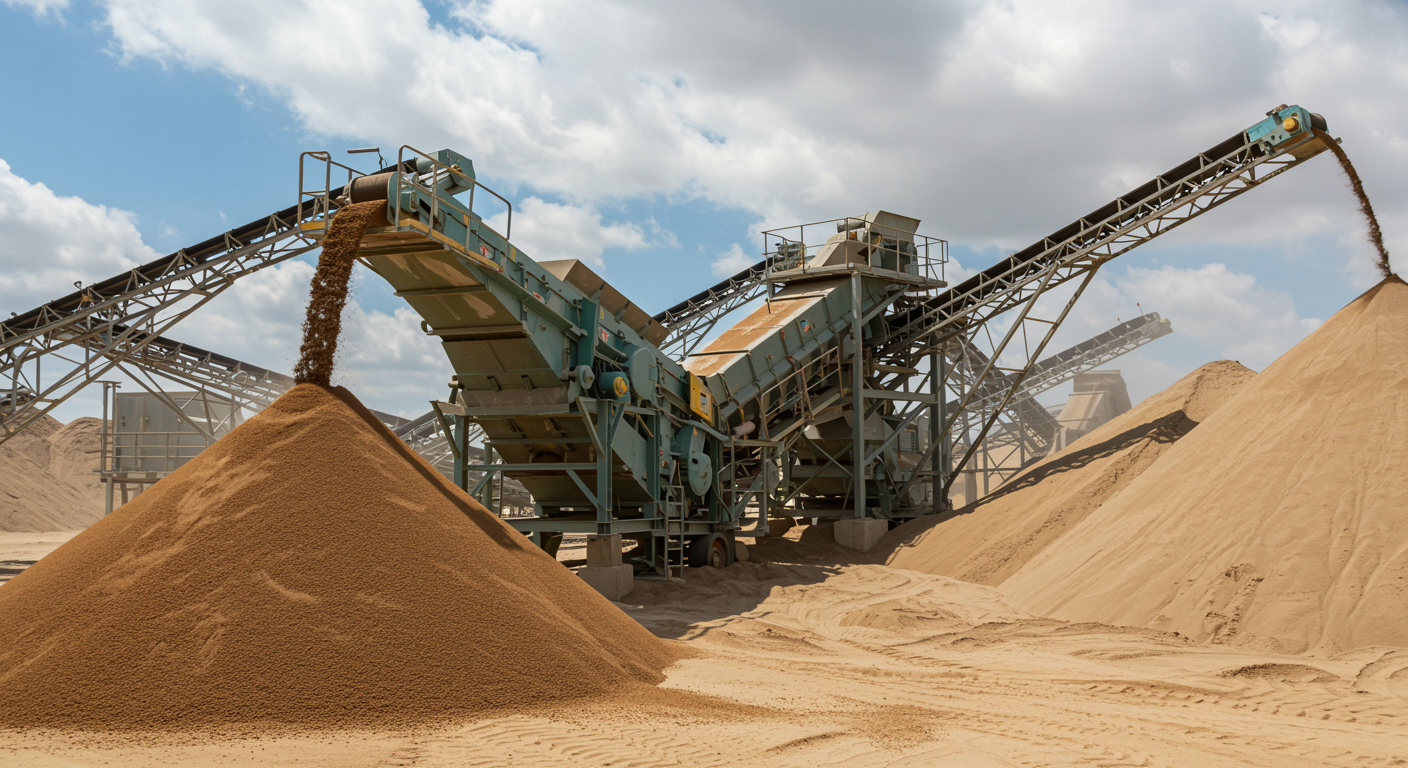
Discover how sand classifier machines, tanks, and plants improve sand washing efficiency, grading ac

Planning to buy a sand classifier machine? Learn types, buying factors, and expert tips from trusted
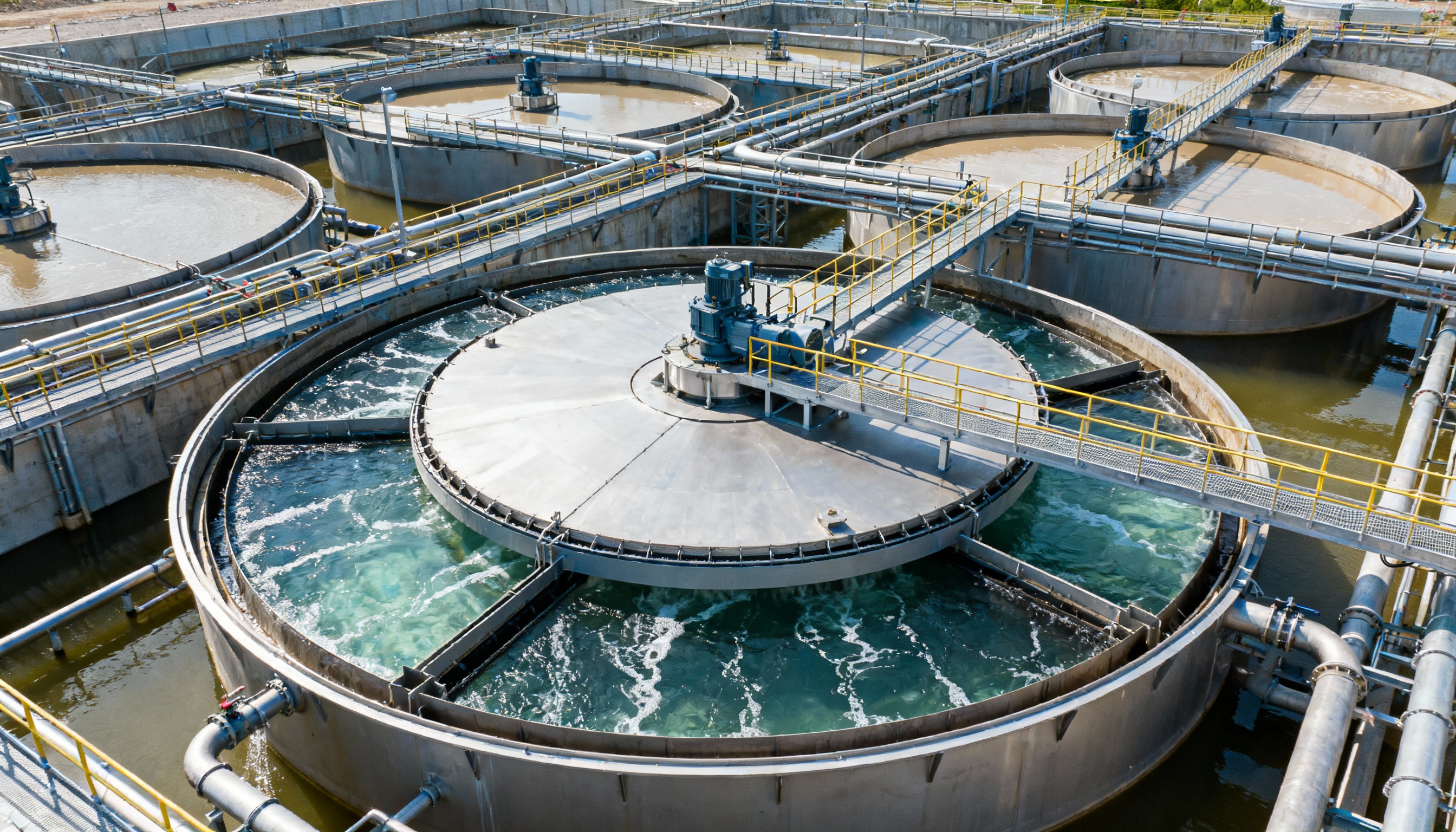
Understand the financial benefits of switching to a High-Rate Thickener — from increased efficienc
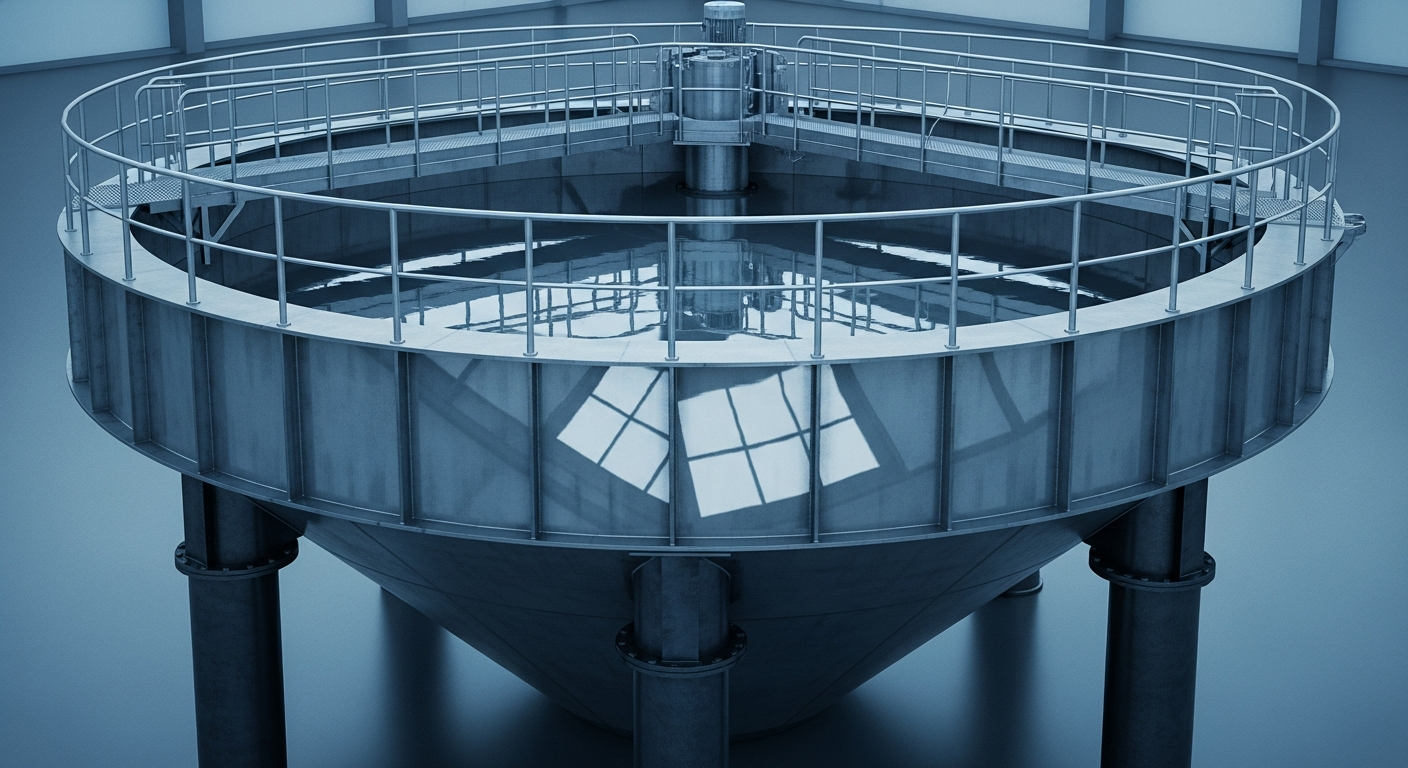
Searching for high-density thickener in Faridabad? ORE Tech is just the platform for you. Contact us
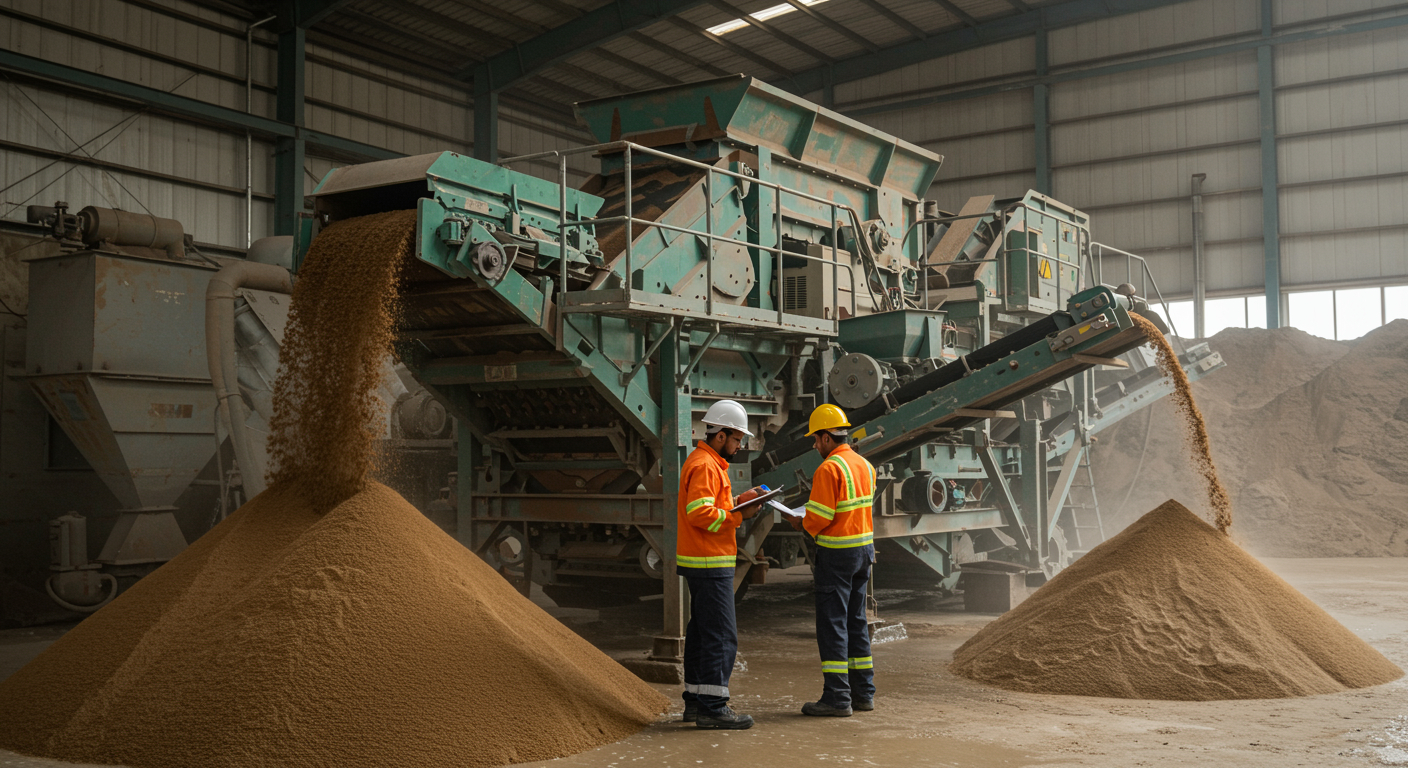
Looking for sand classifier manufacturers? Contact ORE Tech today. We are known for delivering only
we will talk about 5 usual signs that highlight that your hydrocyclone separator is not performing a
Vibratory separators are the key to productive classification of materials and product quality in va
A wise choice for a good sand washing plant manufacturer in India requires striking a balance betwee
Businesses get high ROI by investing in these products from high-rate thickener manufacturers in Ind
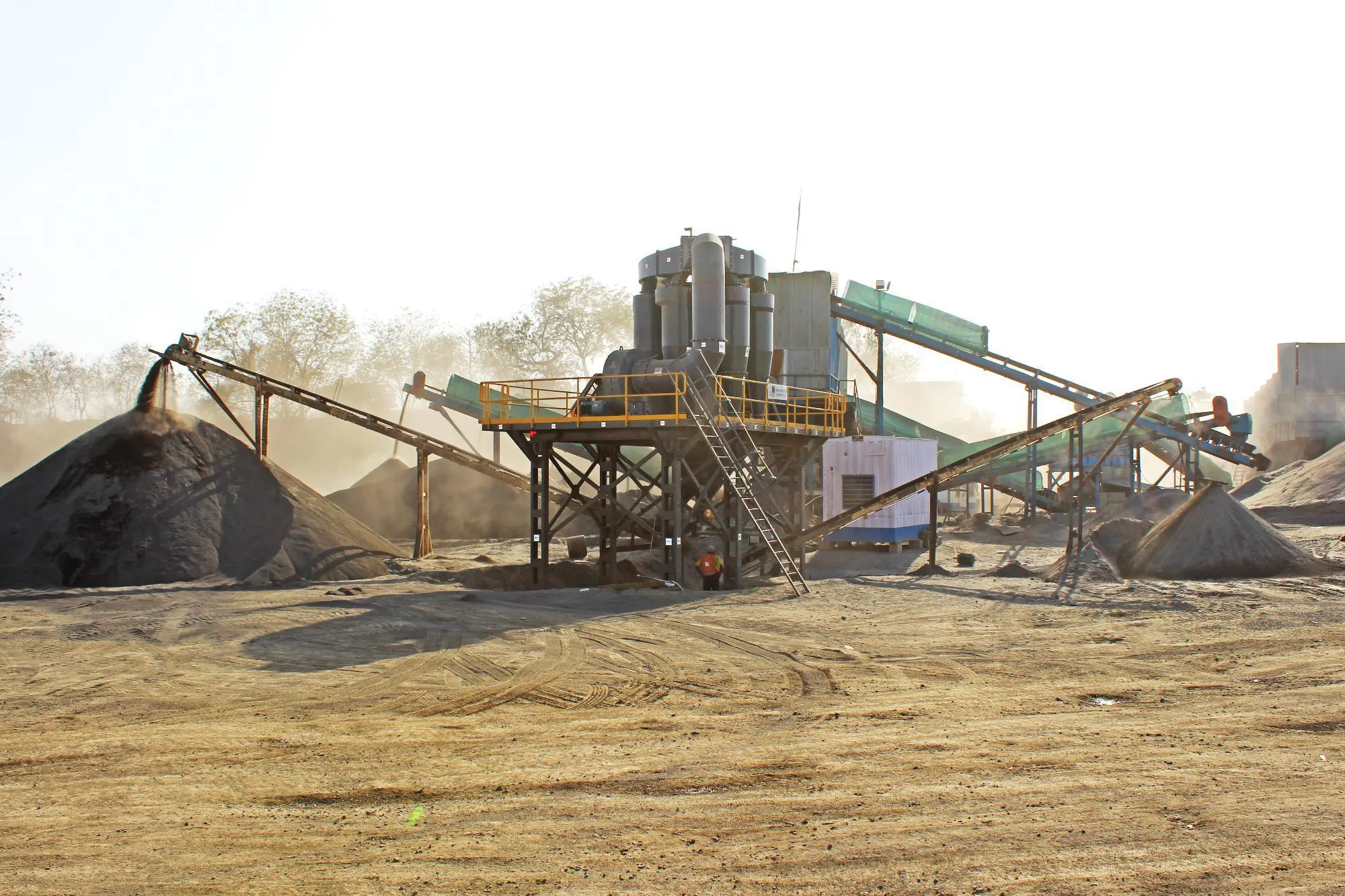
Discover the real cost and long-term benefits of investing in a sand washer machine. Learn how choos
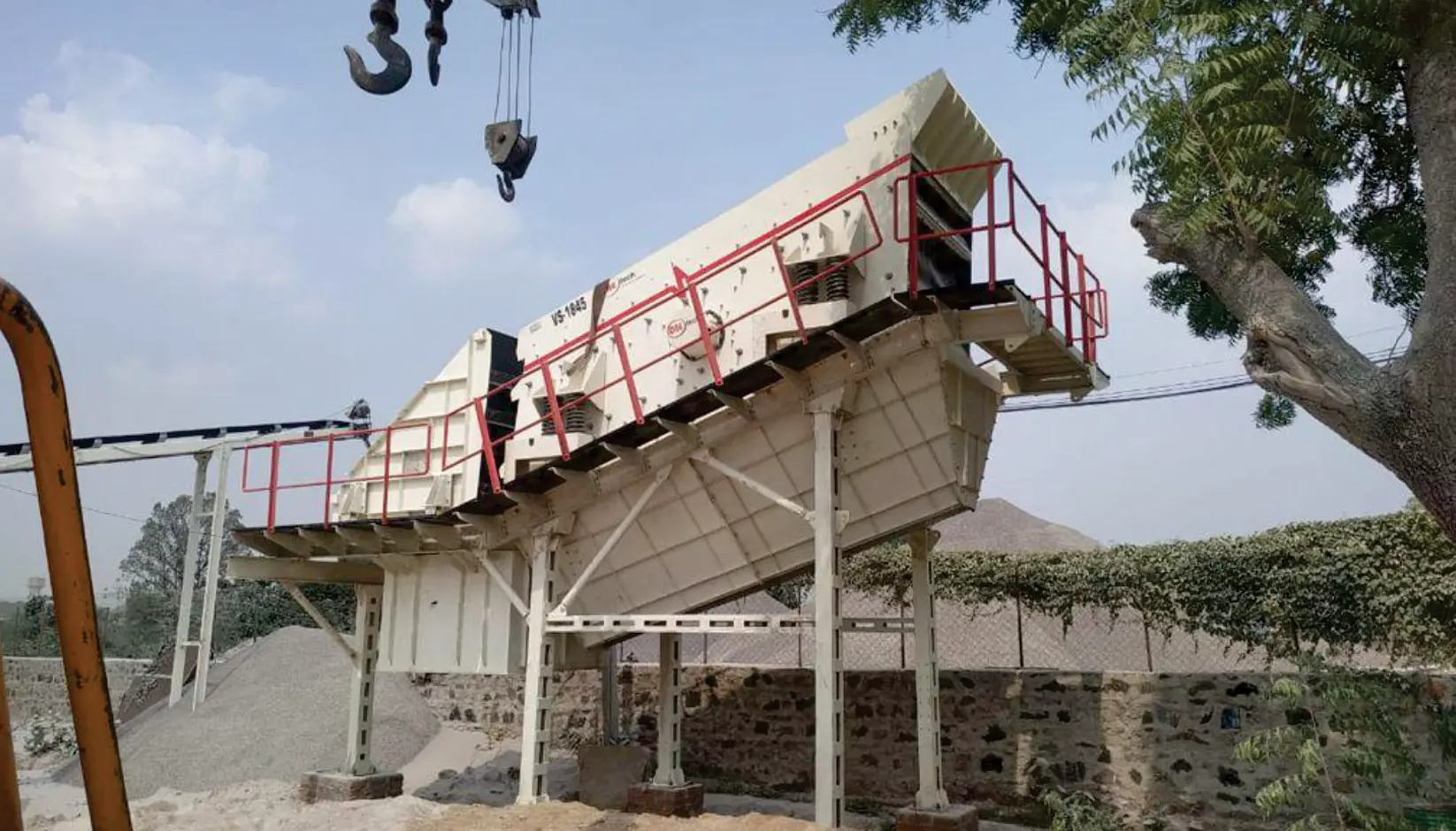
The use of modern sand washing machine design technologies assists in increasing the output quality
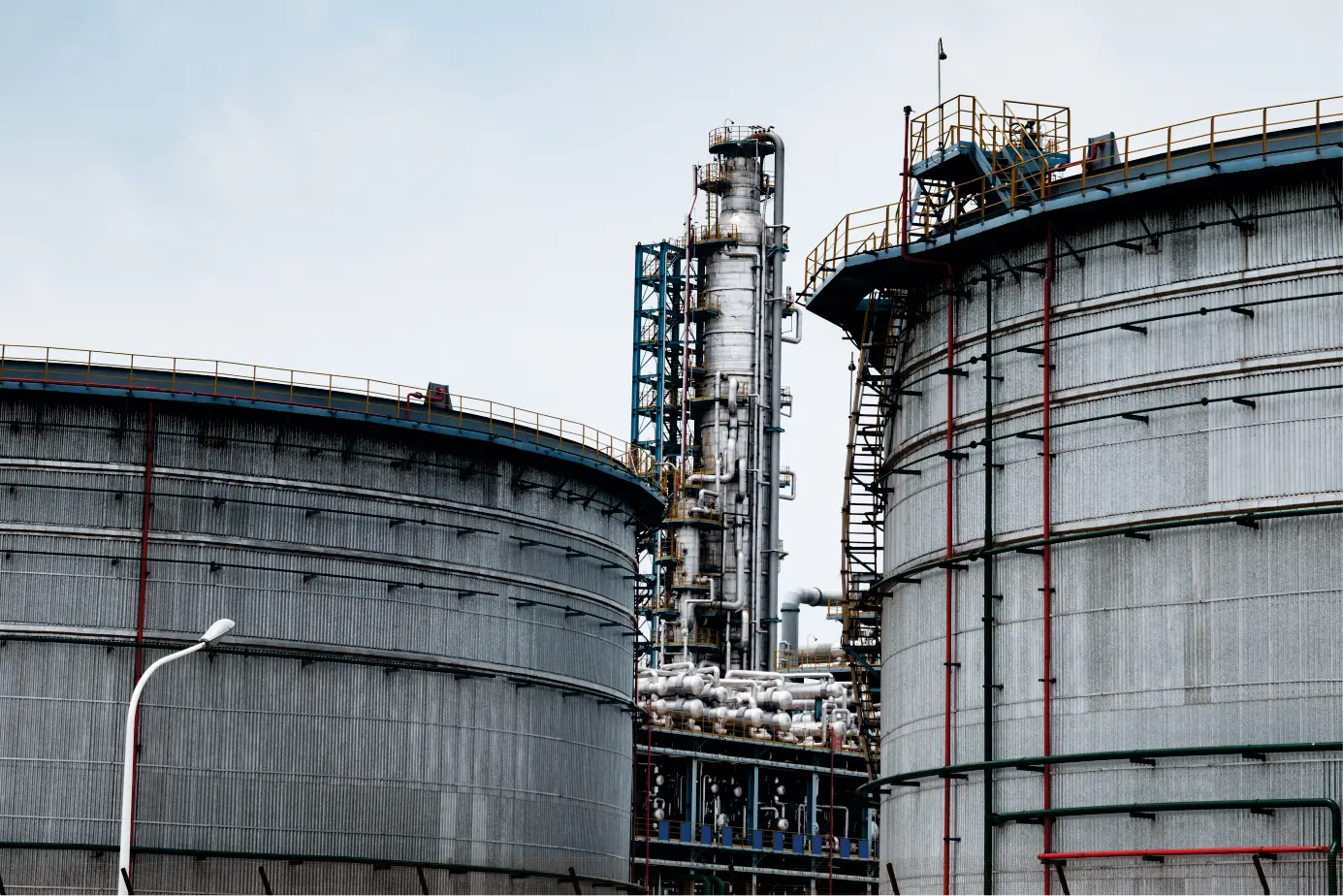
A high rate thickener is a critical piece of equipment in industries like wastewater treatment, mini
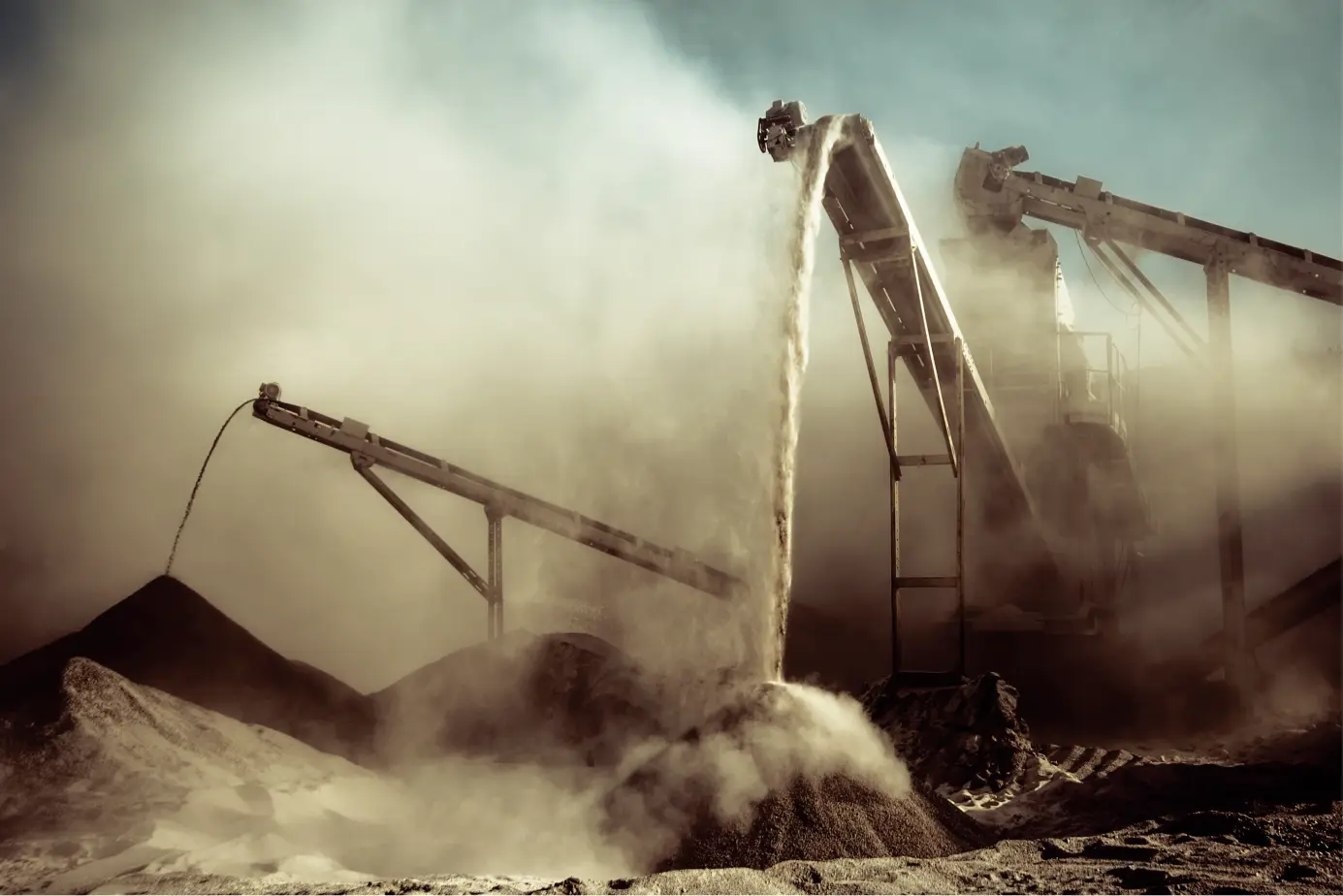
In this guide, we will explain the types of sand washers, their uses and the benefits they offer .
This guide will cover all the information you will require regarding Ore Tech Vibrating Screens, its
For industries in India looking to buy a vibrating screen, searching for a vibrating screen near me

Since 2018, we’ve been crafting crusher spare parts that keep industries moving forward. Reach us at +91-981-177-0428 — Let’s get started today!